

The U.S government has a $37.92 trillion debt with $1.76 trillion budget deficit. Only paying interest on these loans will result in a substantial amount, and to cope with that, the government must raise the debt ceiling and take on even more loans. The dollar still leads global finance, but its dominance is being questioned as interest costs and fiscal pressures increase.
A Russian official Anton Kobyakov revealed that the US is planning to transfer its loan to crypto and stablecoins and then wipe it out through a crypto reset. Though still theoretical, the claim reflects growing unease over the dollar’s future and the suspicion that Washington could use blockchain technology to reassert control over its own financial system without officially declaring default.
Is United Really Planning a Crypto Reset?
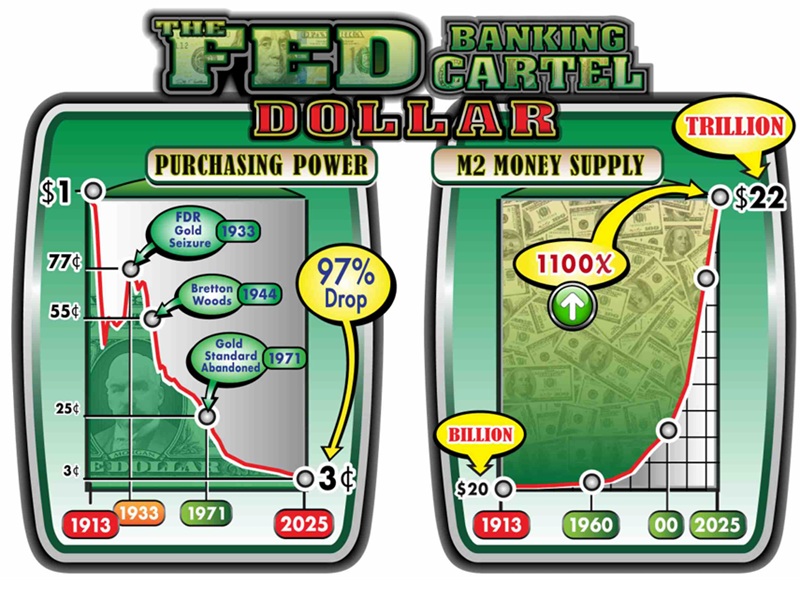
The idea of a U.S. crypto reset is not entirely without historical context. In 1933, Americans were promised that every dollar could buy gold, until a presidential order disconnected that link and freed the dollar from its collateral. This precedent shows that the monetary foundation of the dollar can shift when national interests demand it.
Michael Saylor once suggested that the Trump administration should dump all gold reserves and buy bitcoin through a U.S.-based treasury. Such a move would weaken Russia and China, since gold would still be a part of their reserves, while strengthening the United States through crypto-backed reserves. Though this proposal never became official policy, current practices suggest a quiet shift toward it. By building regulated stablecoins and digital reserves, the U.S. may already be preparing the foundation for a new financial structure.
The U.S Crypto Reset:
The idea of a crypto reset connects closely to how inflation and money creation function. When the United States prints more money, the number of dollars in circulation increases, yet each dollar buys less. This loss in purchasing power weakens the currency but also makes it easier to manage debt of $37 trillion. The government still owes the same amount, but it can repay in cheaper dollars, reducing the real value of its obligations. Such a process has happened before through controlled inflation, which allows debt to shrink quietly over time.

The next step may involve stablecoins. By allowing private firms to issue dollar-based stablecoins, the U.S. could spread financial demand beyond its borders. Anyone holding or trading these digital dollars indirectly supports the dollar’s position and hence the US national debt spreads globally. The domestic money supply would remain stable, while global markets absorb new dollar-linked assets.
Inflation at home would stay controlled, yet the digital dollar’s reach would expand. Through this approach, the U.S. could lower its real debt burden, preserve global trust, and shift part of its financial weight to international holders of stablecoins.
The Russian adviser is correct in assuming that this is what the United States will likely do at some point if it wants to address its national debt. There are many ways this could happen and probably will happen. The U.S. might not do it openly through the government, but rather through private companies that test these systems first, with partial support from the government. Once the model works, it could be adopted officially, which is how the United States has often advanced innovation. The crypto reset, if it happens, will not arrive with a headline, it will take form through policy, regulation, and digital finance already in motion.