
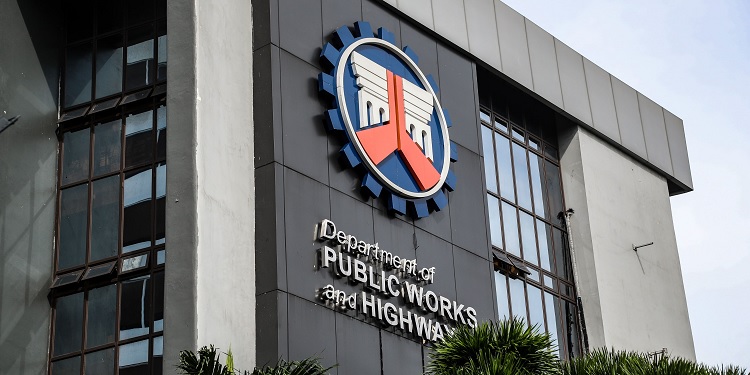
Integrity Chain, a civic initiative spearheaded by Donald Lim as lead convenor, announced the launch of its blockchain-based transparency platform on September 24, 2025, aimed at adoption by the Department of Public Works and Highways (DPWH). The system is scheduled for formal signing on September 30 at the Asian Institute of Management (AIM), with initial deployment focused on recording Foreign Assisted Projects (FAPs). The initiative is powered by Bayanichain.
Background and Leadership
Lim, who serves as President and Chief Operations Officer at DCME Holdings Inc. and is also a founding member of the Blockchain Council of the Philippines, has been vocal about the need for systemic reforms in public accountability. The platform uses BayaniChain (BYC) Ventures’ Lumen and Prismo technologies. BYC previously developed blockchain solutions for the Department of Budget and Management, including systems handling Special Allotment Release Orders and Notices of Cash Allocation, as well as GoodGovChain, which was piloted in Baguio City.
Addressing Public Scrutiny
The initiative arrives at a time when DPWH is facing intense public criticism over allegations of corruption tied to flood control projects, including concerns over budget overruns, delays, and questionable construction standards. Recent congressional hearings and public rallies highlighted these issues, and Secretary Vince Dizon has indicated that charges have already been filed against implicated personnel. By integrating blockchain into oversight processes, the department is signaling a willingness to increase transparency and restore public confidence.
Integrity Chain’s Structure
According to Bayanichain, the Integrity Chain platform is designed as a civic-led decentralized ledger that is not controlled by government agencies. Instead, it is maintained by validators drawn from academia, non-governmental organizations, trade associations, and media outlets. The system anchors data daily to major blockchains to ensure tamper-resistance.
Trust on-chain, hope on the ground.
A better Philippines begins here. 🇵🇭 https://t.co/8J79aQJa3k
— BYC (BayaniChain Ventures) (@BayaniChain) September 25, 2025
The first phase of implementation will involve recording milestones and budget details of Foreign Assisted Projects, which will be independently validated by civic groups. Bayanichain has described this approach as a safeguard against falsified documentation and hidden financial discrepancies.
Features and Principles
The Integrity Chain initiative emphasizes that its purpose extends beyond being a digital platform, positioning itself as a movement for accountability. It seeks to ensure that every peso allocated and every project milestone achieved is logged on an immutable ledger, accessible to multiple stakeholders rather than confined to government records. Governance consultant Ida Tiongson has described the platform as a practical application of blockchain’s transparency and accountability features, making them functional within public administration.
Paul Soliman, Chief Executive Officer of BYC Ventures, has highlighted that this initiative represents a turning point for public accountability. He stressed that every contract, project milestone, and fund release would be permanently recorded, preventing manipulation or deletion. Civic validation and citizen verification are being positioned as critical mechanisms to make corruption technically unfeasible and transparency the standard practice.
Multi-Sectoral Participation
The system is structured around a multi-sectoral validator model, in which independent organizations attest to the accuracy of records before they are finalized. BYC Ventures has extended invitations to universities, media institutions, NGOs, and trade associations to participate as validators. Additionally, corporations and philanthropic groups are being encouraged to contribute to the blind trust that will provide long-term financial sustainability for the platform.
Broader Implications
The rollout of Integrity Chain could mark a significant evolution in how public infrastructure projects are managed in the Philippines. By embedding transparency at the core of its processes, the initiative aims to address long-standing challenges of inefficiency, leakages, and lack of trust in government infrastructure spending. Observers suggest that if successful, the model could be extended to other government agencies and projects, setting a new benchmark for civic-driven accountability in governance.