
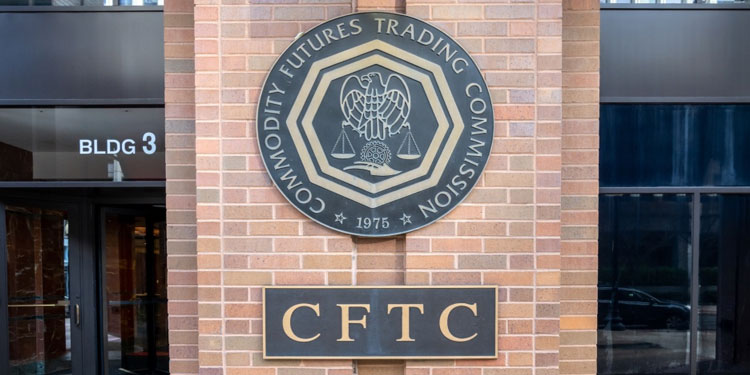
The Commodity Futures Trading Commission has established a new advisory body focused on blockchain, artificial intelligence, and financial market innovation, marking the first major policy initiative under Chairman Michael Selig. The newly formed Innovation Advisory Committee is intended to guide the agency’s approach to rapidly evolving technologies within commodity derivatives markets. It replaces the former Technology Advisory Committee and reflects a broader effort to modernize regulatory oversight as digital tools reshape financial infrastructure.
The agency has opened the committee to new nominations through January 31 as it seeks to expand participation and diversify expertise. According to the CFTC, the panel will draw members from industry, academia, public interest organizations, and other regulatory bodies. This structure is designed to ensure that policy recommendations reflect a wide range of perspectives as technological change accelerates.
Focus on Emerging Technologies and Market Structure
The Innovation Advisory Committee builds on earlier initiatives, including the CEO Innovation Council that was created under former Acting Chair Caroline Pham. However, the restructured panel places greater emphasis on artificial intelligence, blockchain systems, and cloud computing oversight. The CFTC has indicated that this shift aligns with current market realities, where automation, distributed ledgers, and data-driven platforms increasingly influence trading, risk management, and market surveillance.
Chairman Selig has emphasized that the committee will support the development of clearer regulatory frameworks as Congress advances digital asset legislation. He has pointed to the need for consistent guidance as innovators modernize existing financial systems and develop entirely new market models. The advisory group is expected to help the agency define practical standards that allow innovation to proceed while maintaining market integrity.
Advisory Mandate and Enforcement Priorities
Under its charter, the Innovation Advisory Committee will provide recommendations on the commercial, legal, and economic impacts of new financial technologies. The panel will also advise on how the CFTC should allocate resources toward enforcement, compliance, and surveillance tools. These recommendations are intended to strengthen the agency’s ability to oversee increasingly complex products that rely on advanced technology.
By assessing both opportunities and risks, the committee is expected to inform decisions on regulatory investments, including the adoption of AI-driven monitoring systems. The goal is to ensure that the CFTC remains capable of supervising fast-moving markets without stifling responsible innovation.
Leadership Background and Policy Direction
Michael Selig assumed leadership of the CFTC in December following Senate confirmation and has since begun implementing structural changes within the agency. Prior to his appointment, he served as chief counsel for the Securities and Exchange Commission’s Crypto Task Force and advised SEC Chairman Paul Atkins. His earlier work included contributing to digital asset policy frameworks and participating in White House policy initiatives.
Selig also brings private sector experience advising clients on regulatory issues related to digital assets and derivatives markets. This background has shaped his focus on updating oversight tools and maintaining the competitiveness of US financial markets. He has stated that innovation should remain secure and rooted domestically, signaling an intention to balance growth with strong regulatory foundations.
Innovators are harnessing technologies such as artificial intelligence, blockchain, and cloud computing to modernize legacy financial systems and build entirely new ones. Under my leadership, the Commission will develop fit-for-purpose market structure regulations for this new… https://t.co/puzntxnkvf
— Mike Selig (@MichaelSelig) January 12, 2026
Legislative Context and Market Implications
The launch of the Innovation Advisory Committee comes amid ongoing negotiations in the US Senate over digital asset regulation. Lawmakers have delayed consideration of the Digital Asset Market Clarity Act until late January as policy disagreements continue. Negotiations led by Senator John Boozman and Senator Cory Booker are still shaping the bill’s final language.
At the same time, banking groups are urging lawmakers to restrict stablecoin reward mechanisms beyond existing provisions in the GENIUS Act. Several crypto firms, including major exchanges, have indicated that additional limitations could affect their support for the legislation. Some Democratic senators have also called for a full committee hearing before any vote, citing concerns around transparency and process.
Separate legislative efforts are also underway, including a proposal by Senator Cynthia Lummis aimed at preventing open-source blockchain developers from being classified as money transmitters. Her initiative is based on the distinction between writing code and providing custody of digital assets. Together, these debates affect a market estimated at $3 trillion and more than 68 million crypto users in the United States.
Preparing for Long-Term Regulatory Change
Analysts at TD Cowen have suggested that the upcoming US elections in 2026 could push comprehensive digital asset legislation into 2027. In this environment, the Innovation Advisory Committee may play a key role in shaping the CFTC’s regulatory posture as laws continue to evolve. For now, Chairman Selig is moving forward with efforts to ensure the agency is prepared, emphasizing that innovation and security must advance together.