
For years, one of the most persistent obstacles in blockchain adoption has been the issue of gas fees. These mandatory charges, paid to validators for processing and confirming transactions, have long been a source of confusion and frustration among both new and experienced crypto users. Similar to how banks impose fees for services like wire transfers, blockchain networks require payments for token transfers, swaps, and NFT minting. However, the mechanics differ significantly from traditional systems, leaving many first-time users puzzled and sometimes discouraged from engaging further with crypto.
Unlike bank transfers, blockchain gas fees must be settled in each network’s native currency. Ethereum requires ETH, while Solana needs SOL, and Tron transactions demand TRON. This requirement has created several challenges. Users often face failed transactions when they lack the right token for fees, even if they hold other assets. Fee unpredictability during network congestion leads to unexpectedly high costs, while multi-chain participants must constantly prepare by stocking various tokens, complicating their experience. These obstacles slow down wider Web3 adoption and place an ongoing burden even on seasoned traders.
The issue becomes more complex when considering stablecoins such as USDT. Transferring the asset on Tron requires TRON, while using it on Ethereum requires ETH. The lack of interchangeability between these requirements further adds to the difficulties for users navigating multiple chains.
A Radical Solution with GasPass
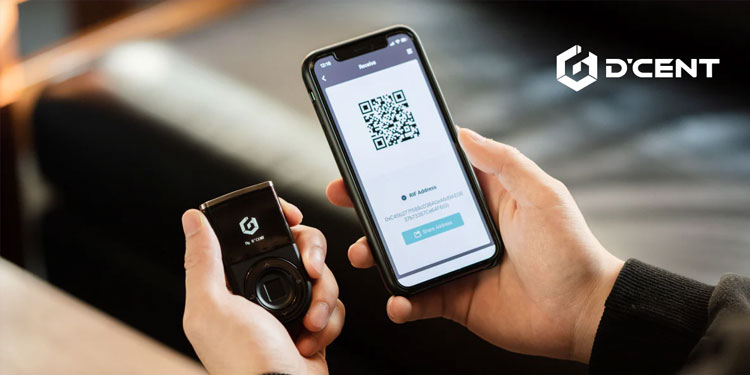
In response to this long-standing problem, crypto wallet provider D’CENT has introduced a new feature called GasPass. The company revealed that this innovation allows users to send tokens, swap assets, or purchase NFTs without the need to hold native gas tokens. GasPass operates in the background by covering the necessary network fees, ensuring smooth execution of transactions.
At its initial rollout, GasPass supports Ethereum, Base, and Polygon, with expansion plans into additional blockchain ecosystems. D’CENT framed this development as a direct effort to eliminate one of the biggest barriers to Web3 adoption. The firm’s leadership explained that GasPass was designed to make blockchain services feel as intuitive and accessible as established Web2 platforms.
How to get GasPass?
🎁 Earn it by engaging with the D’CENT Wallet ecosystem
🙌 Beta testers were the first to try it — check your inbox!
🪂 Tap That Drop NFT holders, stay tuned!👀Details 👉 https://t.co/0w7HSmj5cE
Guide 👉 https://t.co/ft8ooZ1Yq5— D'CENT Wallet (@DCENTWALLETS) September 22, 2025
Moving Toward a Frictionless Web3 Experience
GasPass is part of D’CENT’s broader initiative to build a mainstream-ready crypto wallet tailored to both new and advanced users. The company has recently updated its application with features such as a redesigned dashboard, improved transaction history, and Smart Swap functionality. These improvements aim to simplify navigation for beginners while maintaining robust tools for more experienced participants.
The introduction of GasPass aligns with a growing industry trend known as gas abstraction, which seeks to conceal the complexities of transaction fees from end users. By reducing these frictions, blockchain interactions begin to resemble conventional financial applications, fostering an environment where crypto payments feel as seamless as standard banking transactions.
Analysts believe that addressing the gas fee issue could play a critical role in shifting crypto from a niche sector into a widely adopted financial standard. With solutions like GasPass, the industry moves closer to offering user experiences that match the predictability and simplicity of traditional fintech, potentially accelerating Web3’s journey into the mainstream.