
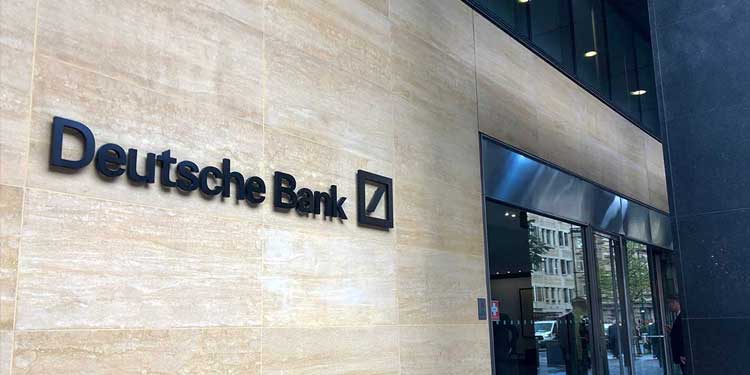
Deutsche Bank is preparing to launch its first digital asset service within weeks, marking a significant step in the German lender’s expansion into cryptocurrency custody and blockchain-based financial services. The bank plans to introduce the service in Germany before extending its digital asset custody platform to major Asian financial centers in 2027.
Gerald Podobnik, co-head of Deutsche Bank’s corporate bank, outlined the rollout plans on the sidelines of the International Monetary Fund and World Bank meetings in Bangkok in October 2026. The initiative reflects the bank’s efforts to capture opportunities in the expanding digital economy while integrating blockchain-based services into its established corporate banking operations.
Deutsche Bank will initially offer custody for major cryptocurrencies, including Bitcoin and Ether, before expanding into stablecoin-related services, tokenized deposits and blockchain-based securities issuance.
Phased Rollout to Include Stablecoin Services
Deutsche Bank intends to introduce its digital asset capabilities in stages, beginning with cryptocurrency custody. The initial service will allow clients to hold major digital assets through the bank’s infrastructure, providing a foundation for additional services as the platform develops.
The next phase is expected to focus on helping corporate clients move funds into and out of mainstream stablecoins. These digital tokens are generally designed to maintain a stable value relative to traditional currencies, particularly the U.S. dollar, and are increasingly used for digital payments and transfers.
By establishing custody services first, Deutsche Bank can build the operational foundation for handling digital assets before introducing a broader range of blockchain-based financial products. The phased approach also allows the bank to expand its offerings in line with client demand and the requirements governing digital asset services.
The lender is also planning to introduce tokenized deposits and support clients seeking to issue blockchain-based securities, including digital bonds. Tokenized deposits represent bank deposit claims in digital form, while blockchain-based securities use distributed ledger infrastructure to record or manage financial instruments.
Together, these initiatives could give corporate customers access to a wider range of digital financial services through an established banking relationship.
Digital Assets Support Corporate Banking Growth Strategy
The planned launch forms part of Deutsche Bank’s broader corporate banking strategy, which targets compound annual growth of 8% by 2028. The bank views the digital economy as an emerging source of financial activity that could create new opportunities for institutional banking services.
Podobnik pointed to the substantial value held in stablecoins as evidence that the digital economy has developed into a significant financial market over the past two decades. The growth of blockchain-based assets and payment systems has encouraged established financial institutions to assess how they can serve customers operating in these markets.
Deutsche Bank’s strategy is to integrate tokenized financial products and digital asset services into its existing corporate banking business, rather than position blockchain technology as a wholesale replacement for conventional banking.
This approach could allow the lender to serve companies that need both traditional banking products and digital alternatives. Corporate customers may increasingly seek services covering asset safekeeping, digital payments, liquidity management and securities issuance within a single institutional relationship.
Asia Expansion Planned for 2027
Germany will serve as the initial market for the custody platform, with expansion into Asian financial centers planned for 2027. The regional rollout would extend the bank’s digital asset services to markets where institutional demand, regulatory frameworks and financial technology adoption will influence the pace of development.
The timing and scope of the expansion will depend on implementation plans and the requirements applicable in individual jurisdictions. The bank’s proposed services will also need to address operational security, asset protection and compliance obligations associated with digital financial products.
The planned launch comes as traditional banks increasingly explore ways to incorporate blockchain infrastructure into established financial services. For Deutsche Bank, custody is the entry point, while stablecoins, tokenized deposits and digital securities represent potential areas for further development.
The initiative signals Deutsche Bank’s intention to make digital assets part of its long-term corporate banking offering, with the success of the strategy likely to depend on institutional demand, regulatory conditions and the bank’s ability to deliver secure, integrated services.