
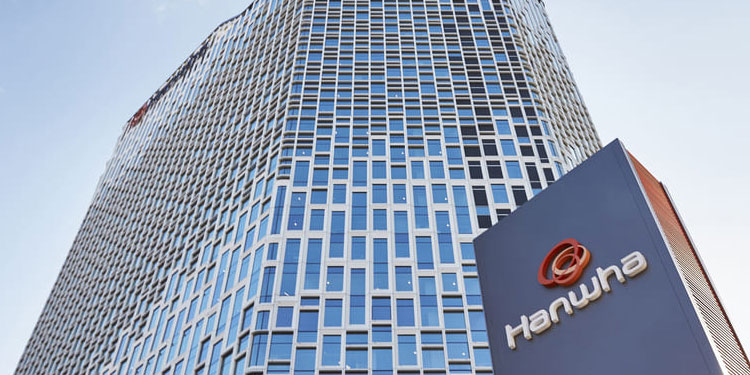
Hanwha Asset Management has entered into a strategic partnership with the Solana Foundation, marking a notable advance in institutional cryptocurrency adoption within South Korea. The collaboration, announced in Seoul in mid-March 2025, reflects a growing willingness among traditional financial institutions to engage with blockchain technology in a structured and regulated manner. Through a formal memorandum of understanding, the two organizations outlined a broad framework designed to expand the Solana ecosystem while making blockchain-based financial products more accessible to institutional investors.
The agreement is considered one of the most significant traditional finance moves into digital assets in the South Korean market. It highlights a shift in how established asset managers view blockchain, moving beyond experimentation toward long-term integration into mainstream financial services.
Three Pillars of the Collaboration
The partnership centers on three core initiatives that will be rolled out progressively. One major focus involves the development of educational programs covering Solana’s development tools and ecosystem. These initiatives are intended to help financial professionals build a deeper understanding of blockchain infrastructure and its practical applications.
Another key component involves the joint development of Solana-based exchange-traded products. These offerings are expected to give investors regulated exposure to the Solana network without requiring them to directly hold or manage digital assets. In addition, the partners plan to publish detailed custody solution guidelines that address security and compliance concerns, which have historically limited institutional participation in cryptocurrency markets.
Context Within Hanwha’s Digital Asset Strategy
Hanwha Asset Management’s move follows its gradual expansion into digital assets throughout 2024, during which the firm introduced several crypto-related funds while closely monitoring regulatory developments. At the same time, the Solana Foundation has been actively pursuing institutional partnerships since 2023, viewing integration with traditional finance as a key driver of network growth.
Industry observers note that the partnership aligns well with South Korea’s evolving regulatory framework for digital assets. Since the passage of comprehensive legislation in 2024, institutional players have gained clearer guidance on how to engage with blockchain technology, reducing uncertainty that previously slowed adoption.
Education as a Gateway to Adoption
One of the most immediate challenges to institutional blockchain adoption has been the knowledge gap within traditional finance. Despite rising interest, many professionals lack hands-on familiarity with blockchain mechanics. To address this, Hanwha and the Solana Foundation plan to introduce certification programs and technical workshops covering smart contracts, network architecture, and security standards.
These educational efforts are scheduled to begin in the third quarter of 2025, initially targeting Hanwha’s internal teams before expanding to external financial professionals across Asia. By prioritizing education, the partnership aims to build internal expertise that supports long-term blockchain integration.
Regulated Products and Custody Frameworks
The development of exchange-traded products is expected to be one of the most visible outcomes of the collaboration. Hanwha plans to seek regulatory approval to launch Solana-focused ETPs, potentially making them the first of their kind in South Korea. Such products would allow investors to gain exposure through familiar, regulated vehicles.
Security and custody also play a central role in the agreement. The partners intend to publish custody guidelines that address technical requirements, regulatory compliance, and risk management. These guidelines are expected to align with South Korea’s Digital Asset Basic Act, scheduled for implementation in late 2025, while accounting for Solana’s unique technical characteristics.
Broader Market Implications
The partnership is likely to influence market dynamics beyond the two organizations involved. Other South Korean financial institutions may accelerate their own blockchain initiatives, while competing layer-1 networks could intensify efforts to attract traditional finance partners. Regulators may also refine oversight frameworks as institutional participation demonstrates practical financial use cases for blockchain technology.
Solana’s high transaction throughput and rapid settlement times make it particularly attractive for financial applications requiring efficiency. Combined with its expanding developer ecosystem, these technical strengths help explain its appeal to large asset managers seeking scalable blockchain solutions.
Looking Ahead
With educational programs set to launch in late 2025, custody guidelines to follow, and exchange-traded products potentially arriving in early 2026, the partnership adopts a phased implementation approach. This timeline allows both parties to address regulatory and technical considerations carefully.
Overall, the Hanwha Asset Management and Solana Foundation collaboration represents a meaningful milestone in Asia’s institutional blockchain adoption. By combining education, regulated products, and robust security frameworks, the partnership demonstrates how traditional finance and blockchain networks can converge to create practical, compliant digital asset solutions.