
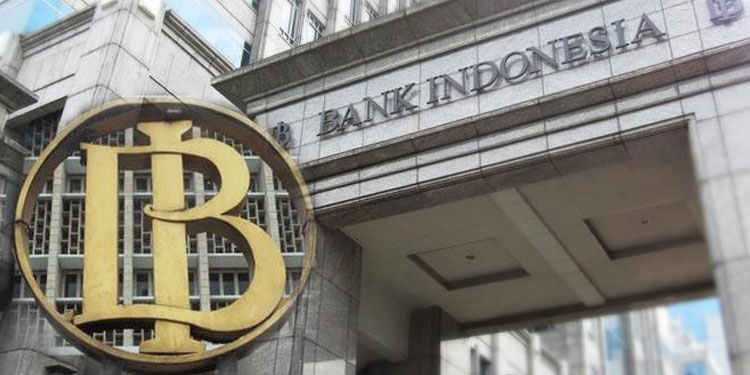
Bank Indonesia has announced plans to issue digital securities backed by government bonds, positioning the initiative as the country’s own stablecoin version supported by its central bank digital currency (CBDC) framework. The development was shared by Governor Perry Warjiyo during the Indonesia Digital Finance and Economy Festival and Fintech Summit 2025 held in Jakarta, signaling a major milestone in the nation’s digital finance roadmap.
CBDC-powered national stablecoin concept
The proposed digital securities will be tokenized representations of government bonds, fully supported by the digital rupiah, Indonesia’s CBDC. According to the central bank’s outline, these securities will derive their value from government bond holdings and operate as digital instruments issued directly by Bank Indonesia. The initiative is described as the national version of a stablecoin, intended to bridge the gap between traditional financial assets and blockchain-based systems.
Warjiyo explained that Bank Indonesia plans to issue digital versions of its securities, underpinned by sovereign bond holdings through the digital rupiah framework. The initiative is expected to reinforce the institution’s broader digital finance and payment ecosystem strategy, which aims to modernize the financial infrastructure and enhance monetary policy efficiency.
If implemented, this move would mark a significant step toward integrating blockchain technology into Indonesia’s monetary architecture. The project reflects a growing trend among central banks globally that are exploring tokenized financial instruments to complement existing monetary systems while ensuring regulatory control and stability.
Regulatory monitoring of stablecoins
Although stablecoins have not yet been classified as legal tender in Indonesia, the Financial Services Authority (OJK) has intensified its oversight of their circulation due to their rising relevance in cross-border payments and remittances. Dino Milano Siregar, head of the OJK’s crypto and digital asset division, stated that the regulator enforces Anti-Money Laundering (AML) compliance standards and mandates regular reporting by stablecoin trading platforms to maintain market integrity.
Siregar noted that stablecoins—especially those backed by reliable underlying assets—are already being used by investors as hedging instruments. He pointed out that these assets tend to be more stable compared to other cryptocurrencies and have practical applications in both domestic and international financial transactions.
Growing crypto adoption in Indonesia
Indonesia’s rapid adoption of digital assets continues to draw global attention. According to the 2025 Global Crypto Adoption Index published by Chainalysis, the country ranked seventh overall, highlighting its strong retail and institutional participation. It placed ninth in retail trading activity, seventh in centralized service value received, and fourth in decentralized finance (DeFi) value received.
This growing engagement underscores the nation’s readiness for official digital currency initiatives and the potential impact of a CBDC-integrated stablecoin system. Analysts suggest that Indonesia’s digital securities initiative could provide a secure and regulated framework for blockchain-based transactions while improving access to financial instruments.
In a related development, Bitcoin Indonesia, a local advocacy organization, revealed earlier this year that the government had initiated discussions about exploring Bitcoin as a potential reserve asset. The group stated that meetings had been held with policymakers to evaluate how Bitcoin could be incorporated into national financial strategy, reflecting a wider governmental interest in leveraging blockchain and digital assets to strengthen the economy.
By combining the digital rupiah with government bond-backed securities, Bank Indonesia appears to be laying the foundation for a hybrid financial model that blends traditional economic stability with the technological advantages of blockchain. The initiative could position Indonesia as one of the early adopters in Asia to tokenize sovereign instruments through a central bank-backed digital infrastructure.