
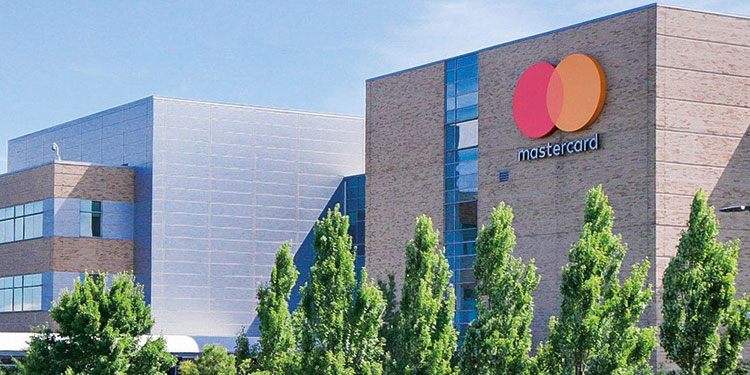
Mastercard has secured a New York BitLicense, marking a significant development in the company’s efforts to expand its stablecoin and cryptocurrency infrastructure. The approval represents an important milestone for the global payments company as it continues strengthening its presence in the rapidly evolving digital asset sector.
The New York BitLicense is widely regarded as one of the most demanding regulatory approvals within the cryptocurrency industry. Issued under strict financial compliance standards, the license is designed to ensure that companies operating digital asset services meet rigorous requirements related to consumer protection, anti-money laundering procedures, cybersecurity, and financial transparency.
Industry analysts noted that Mastercard’s successful acquisition of the license reflects the company’s growing commitment to integrating blockchain-based financial services into its broader payments ecosystem. The approval also positions the company to expand its stablecoin initiatives and cryptocurrency-related infrastructure within one of the most tightly regulated financial jurisdictions in the United States.
Stablecoin Infrastructure Becomes Strategic Focus
The newly secured BitLicense allows Mastercard to strengthen its stablecoin and crypto infrastructure while operating under New York’s strict financial regulatory framework.
The development arrives at a time when stablecoins are gaining increased attention from financial institutions, payment providers, and regulators worldwide. Stablecoins, which are digital assets typically pegged to fiat currencies, are increasingly being explored as tools for faster settlements, lower transaction costs, and improved cross-border payment efficiency.
Mastercard has steadily expanded its blockchain and cryptocurrency initiatives over recent years through partnerships, pilot programs, and payment integrations involving digital assets. The latest regulatory approval is expected to provide the company with additional operational flexibility as it continues building products and services connected to tokenized payments and blockchain-based financial infrastructure.
Financial experts suggested that securing the BitLicense could also enhance Mastercard’s credibility among institutional clients and enterprise partners seeking compliant digital asset solutions. Because the New York licensing process is known for extensive regulatory scrutiny, approval is often viewed as a sign of operational maturity and financial reliability.
Regulatory Compliance Drives Industry Expansion
The approval highlights Mastercard’s intention to operate within highly regulated crypto markets while expanding services tied to blockchain payments and stablecoin adoption.
Breaking news! Mastercard has been granted a BitLicense by the New York State Department of Financial Services (@NYDFS), advancing our commitment to secure and compliant digital asset innovation. 🗽🎉
Learn more: https://t.co/3aNHu3uwx6
— Mastercard (@Mastercard) May 27, 2026
The financial services licensing process in New York has historically been considered difficult due to the extensive compliance obligations imposed on applicants. Companies seeking approval are typically required to demonstrate strong governance structures, cybersecurity safeguards, risk management systems, and consumer protection protocols before being granted authorization.
Market observers indicated that Mastercard’s entry into the regulated crypto infrastructure sector could contribute to broader institutional adoption of blockchain technology. Large financial firms increasingly view regulatory clarity as essential for scaling digital asset operations and attracting mainstream users.
The move also reflects a broader trend among traditional financial companies seeking greater involvement in blockchain-based payment systems. As global payment networks continue exploring tokenized finance and digital currencies, regulatory approvals such as the BitLicense are becoming increasingly valuable for companies aiming to expand in the sector.
Mastercard’s successful licensing approval may strengthen confidence in regulated stablecoin infrastructure and accelerate the integration of digital assets into mainstream financial services.
Analysts expect competition among major payment firms and financial institutions to intensify as blockchain technology continues to reshape the global payments industry. Regulatory compliance, scalability, and secure infrastructure are likely to remain critical factors influencing future growth across the digital asset market.