
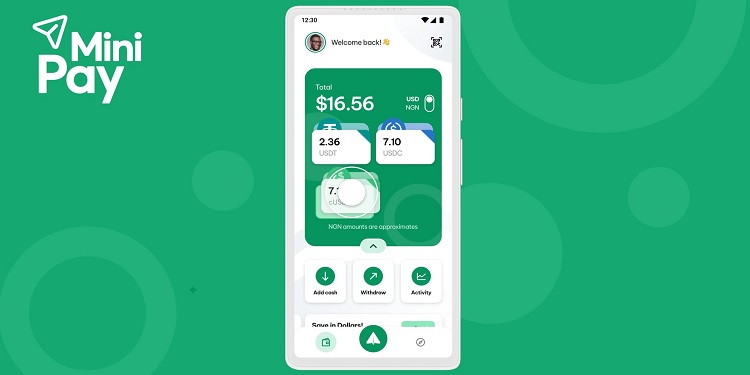
MiniPay, the stablecoin wallet developed within Opera’s ecosystem, has migrated its wallet infrastructure, key management, and authentication systems to Privy, a wallet infrastructure provider owned by Stripe, in a move aimed at improving security and simplifying access for millions of users.
The upgrade is being rolled out across markets where MiniPay operates. The self-custodial wallet, built on the Celo blockchain, has more than 20 million activated wallets and is seeking to expand its reach by making stablecoin payments more accessible across mobile devices and digital financial services.
The integration allows MiniPay users to access the same wallet, balance, and transaction history across Android and iOS devices through a unified login experience, while retaining control over their digital assets.
Privy, which became part of Stripe in 2025, provides wallet infrastructure to more than 3,000 businesses and supports over 200 million wallets. Its clients include Klarna, Deel and Ramp, reflecting its growing role in providing digital asset infrastructure for consumer and business applications.
Simplified Login and Cross-Device Wallet Access
The integration introduces a single user profile that allows MiniPay customers to access their wallets using email addresses, social accounts, passkeys or external wallets. Users can move between supported mobile devices without having to establish separate wallet identities or manually recreate their account experience.
The system is designed to reduce the complexity traditionally associated with cryptocurrency wallets, particularly the management of seed phrases, browser extensions, and private keys.
Privy handles key security in the background, while users retain the ability to export their keys whenever necessary. This preserves MiniPay’s self-custodial structure, ensuring users maintain ownership and control of their assets rather than transferring custody to a centralized service provider.
MiniPay also supports transaction fees on Celo paid in stablecoins, eliminating the need for users to maintain a separate native token solely to cover network fees.
The combination of simplified authentication, background key management, and stablecoin-based network fees is intended to lower technical barriers for users accessing blockchain payments.
MiniPay Expands Integration With Stripe
The infrastructure migration strengthens MiniPay’s relationship with Stripe, following the wallet’s introduction of deposits through Link by Stripe in the United States and Europe.
Right now, your MiniPay wallet lives where you created it: Google on Android, iCloud on iPhone.
Moving from Android to iPhone means starting fresh. We’re changing that.
— MiniPay (@minipay) November 19, 2026
The latest integration extends that relationship beyond funding transactions into wallet infrastructure and authentication. MiniPay users can potentially benefit from a more connected experience when accessing digital payments, funding accounts, and interacting with services built around the wallet.
Opera Executive Vice President of Mobile Jørgen Arnesen said the company was seeking to make stablecoin wallets as secure and convenient as conventional banking applications. Privy co-founder and CEO Henri Stern highlighted MiniPay’s potential to demonstrate how stablecoins could simplify money management and transfers for a large consumer audience.
Celo Core Co. Chief Operating Officer Elizabeth Peng indicated that the upgrade builds on the broader collaboration involving Celo, MiniPay and Stripe-related payment infrastructure, including Bridge and Link.
Global Expansion and Future Wallet Services
Launched in 2023 within the Opera Mini browser, MiniPay initially focused on African markets before expanding its growth strategy toward Europe and the United States. The wallet has recorded more than 600 million transactions across over 70 countries and supports 77 Mini Apps.
Opera is also exploring additional applications for its wallet infrastructure, including agent-driven commerce and browser-based loyalty rewards. These features could eventually extend MiniPay beyond stablecoin transfers into digital commerce, payments, and rewards services.
The latest migration reflects a broader industry effort to make blockchain-based financial products easier to use by combining self-custody with familiar login systems and streamlined mobile experiences.