
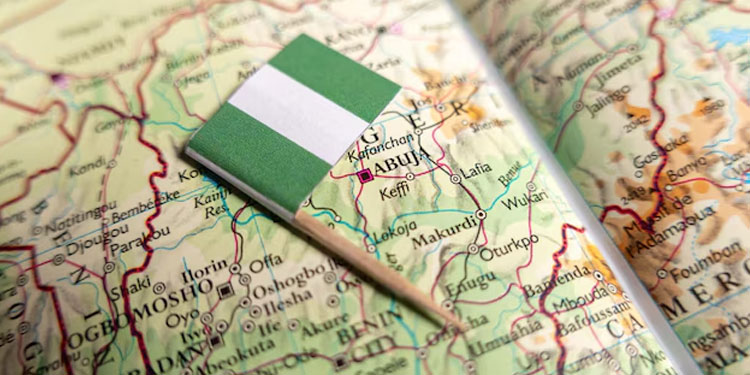
Nigeria has strengthened its position in the global blockchain sector after emerging as the sixth-largest hub worldwide by Solana developer share during the first quarter of 2026. The latest figures were published in a new impact report released by SuperteamNG, one of the country’s most active Web3 communities.
The report indicated that the Nigerian ecosystem also directed more than $162,000 in direct capital into the local economy during the quarter. Analysts noted that the inflow came through ecosystem grants, bounties, and developer-focused funding opportunities aimed at supporting blockchain innovation and digital finance adoption across the country.
According to the findings, Nigerian developers now represent approximately 67% of all active Solana developers in Africa. The report suggested that this achievement has reinforced Nigeria’s standing as the continent’s leading blockchain and technology development center.
Researchers highlighted that the growth in developer participation has already generated measurable economic outcomes. During the first three months of 2026, the local community reportedly secured $65,779 through ecosystem bounties, while additional funding totaling $88,500 was distributed through grants provided by the Solana Foundation.
Solana Adoption Expands Across Nigerian Fintech Sector
The report revealed that Nigeria now ranks as the sixth-largest global contributor to Solana development activity, outperforming several established international technology markets.
Beyond developer growth, the ecosystem has also demonstrated strong transaction activity through locally incubated blockchain products. SuperteamNG-backed projects such as Evolution reportedly processed more than $4 million in Total Value Processed, while NectarFi generated over $6 million in transaction volume during its beta testing phase.
Harrison Obiefule, who leads Solana SuperteamNG initiatives, reportedly stated that Nigeria is transitioning from being primarily a consumer of global technology into a major creator of blockchain-driven innovation. He explained that the country’s global ranking, despite difficult economic conditions, reflects the growing success of the Internet Capital Markets model promoted within the ecosystem.
Obiefule also suggested that Solana is increasingly becoming the preferred infrastructure layer for Nigerian fintech companies rather than simply an alternative blockchain option. He noted that businesses are adopting Solana for applications involving payments, savings systems, and international trade settlements. According to his remarks, the strong first-quarter performance demonstrated that decentralized finance innovation is rapidly expanding across major Nigerian cities, including Lagos, Enugu, and Abuja, as well as dozens of other states.
Expansion Into Payments, Loans, and Stablecoin Services
The report further revealed that 15 major Nigerian products partnered with SuperteamNG during the quarter to introduce Solana-based functionality. Companies including Busha, Raenest, and Jeroid reportedly integrated new blockchain-powered services involving stablecoin settlements and SOL-backed lending products.
The ecosystem’s rapid fintech integration reportedly enabled stablecoin payments, blockchain-based savings tools, and crypto-backed lending solutions to expand across multiple Nigerian platforms within a single quarter.
In addition to product development, SuperteamNG significantly expanded its national reach. The organization reportedly increased its operational footprint to 30 Nigerian states and hosted 186 educational and networking events during Q1 2026. These activities included 76 in-person gatherings alongside 110 virtual sessions designed to strengthen collaboration between traditional finance and decentralized finance communities.
Developer Training Programs Drive Future Growth
The report also highlighted efforts to strengthen the local talent pipeline through new training initiatives and community programs. SuperteamNG launched a 16-week developer bootcamp aimed at preparing the next generation of blockchain engineers for global opportunities within the Solana ecosystem.
Specialized guilds for writers and designers were also introduced to support broader participation in Web3 development beyond coding roles. Organizers indicated that these programs are intended to equip Nigerian creators and developers with competitive skills capable of supporting international blockchain projects.
By combining developer education, fintech adoption, and direct funding opportunities, Nigeria’s Solana ecosystem is increasingly positioning itself as one of the fastest-growing blockchain innovation centers worldwide.