
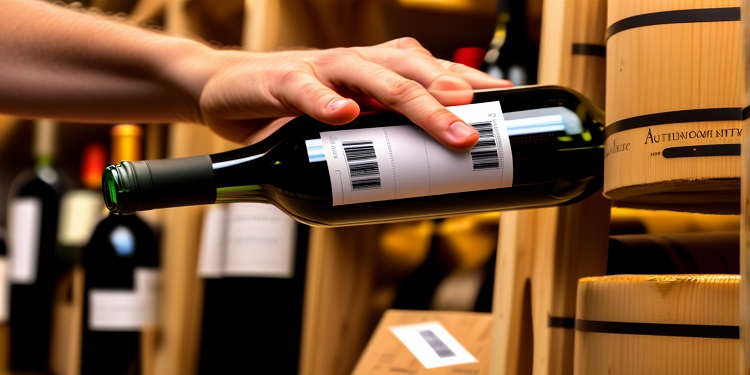
Researchers have introduced an innovative smart tag system aimed at ensuring the authenticity and traceability of wine from production to consumption. This initiative seeks to address the ongoing issue of counterfeit wines, which has been a significant concern for the industry and consumers alike.
Wine holds a prominent place in European culture, with variations ranging from red to white, sparkling to still. However, fraudulent wine production has remained an issue, leading to financial losses for businesses and compromised trust among consumers. Reports from the European Union Intellectual Property Office indicate that counterfeit wine and spirits result in annual losses of approximately €1.3 billion. A notable case in 2018 exposed 66 million bottles of fraudulent Côtes du Rhône wine in France, highlighting the severity of the problem.
Collaborative Efforts to Secure the Wine Industry
The wine industry, particularly in Europe, has taken significant steps to address this challenge. Although renowned wine-producing nations include France, Italy, and Spain, the largest single vineyard in Europe is located in Montenegro. Plantaže, a vineyard spanning over 2,000 hectares, is a leading name in the Balkan wine industry. Industry professionals have acknowledged encountering counterfeit versions of their wines in multiple regions, including Albania, Kosovo, Russia, and Serbia.
To counteract such fraudulent activities, a collaborative initiative named TRACEWINDU has been established, bringing together wine producers and researchers from Spain, France, Italy, Serbia, and Argentina. This project integrates chemistry with information technology to ensure comprehensive traceability of wine throughout its production and distribution.
Digital Passports and Blockchain for Wine Authentication
The TRACEWINDU initiative is being spearheaded by a chemistry professor at the Autonomous University of Barcelona (UAB). His background in food research, influenced by his upbringing in a Spanish town renowned for its cured ham, has driven his commitment to developing analytical techniques to safeguard wine authenticity.
The researchers involved in the project have devised a cost-effective method to verify a wine’s authenticity. A unique digital passport is assigned to each bottle using blockchain technology, which records the wine’s distinctive chemical properties derived from the soil, air, and environmental conditions in which it is cultivated. Experts involved in the project believe that the fusion of chemistry and blockchain offers a near-impenetrable system for authentication.
Blockchain technology provides a reliable and immutable platform for data storage, ensuring that every phase of wine production, from grape cultivation to fermentation, bottling, and distribution, is securely recorded. Consumers can access this information by scanning a QR code embedded in the smart label. This QR code acts as a digital fingerprint for the wine, making it almost impossible to replicate fraudulently. Through this system, individuals can obtain detailed records about the wine’s origins, production methods, and distribution chain.
Consumer Trust and Industry Impact
The TRACEWINDU team anticipates that this initiative will not only protect current consumers but also attract new ones by reinforcing trust in the authenticity of the products they purchase. Transparency in product sourcing, handling, and production processes is increasingly becoming a priority for buyers. This traceability initiative is expected to align with evolving consumer expectations and reinforce confidence in wine brands.
Despite facing challenges such as declining sales and climate change, the wine industry continues to be a major economic contributor in Europe. Industry reports indicate that the sector employs approximately three million individuals and generated €130 billion for the European Union’s GDP in 2022. Additionally, wine production plays a crucial role in sustaining rural communities, which often face depopulation. In Montenegro, for example, Plantaže provides employment to around 600 individuals, with seasonal peaks reaching 1,000 workers, which is significant in a country with a population of just over 615,000.
Future Prospects for Smart Wine Labels
Looking ahead, researchers foresee the implementation of smart labels for wines that fall under the European Union’s geographical indication quality scheme. This system is designed to protect the names of wines originating from specific regions, ensuring that their unique characteristics and traditional production methods are preserved.
Collaborations with wine cooperatives and international distributors could further enhance the visibility and adoption of the traceability system. By targeting premium markets where authenticity is crucial, this initiative has the potential to drive higher sales and elevate consumer confidence in the wine industry.