
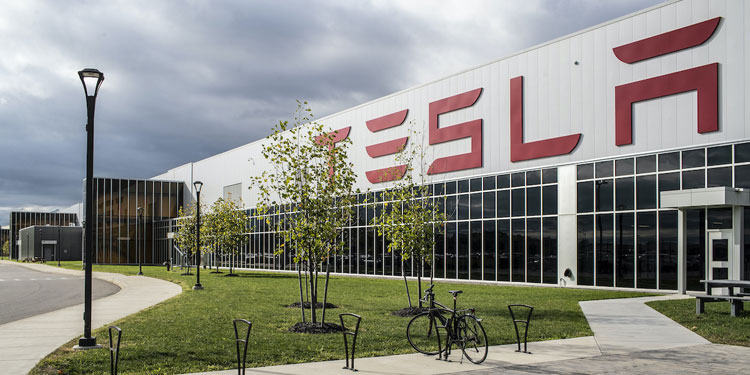
Tesla has introduced ‘bit: 1tsla,’ a pioneering initiative that integrates blockchain technology with the automotive sector. This development aims to transform car ownership and vehicle data management by creating a secure, transparent platform for storing essential vehicle information, including maintenance records and performance analytics. The technology is designed to enhance accessibility and security for Tesla owners, enabling them to seamlessly manage and transfer their car’s digital history.
By utilizing blockchain’s decentralized architecture, ‘bit: 1tsla’ seeks to minimize fraud in vehicle transactions and streamline ownership transfers. The system ensures that every car’s history, from servicing to test drives, is meticulously documented and easily verifiable, reducing potential disputes and fostering trust among buyers and sellers.
Future Prospects for Autonomous Vehicle Networks
Beyond its immediate applications, ‘bit: 1tsla’ paves the way for further innovation in the automotive industry. Experts suggest that the platform could facilitate an interconnected ecosystem where vehicles autonomously communicate and update their records in real time. This advancement may contribute to the development of autonomous vehicle networks, improving operational efficiency and data security. Additionally, Tesla’s approach prioritizes user privacy, as blockchain’s security framework safeguards data against unauthorized access.
The introduction of ‘bit: 1tsla’ highlights Tesla’s dedication to technological advancement. As the automotive sector continues its digital transformation, this initiative could serve as a benchmark for how blockchain technology influences industries beyond finance.
Transforming Car Ownership Through Blockchain
Tesla’s blockchain-driven system significantly reshapes vehicle ownership by digitizing and securing each car’s history. This innovation ensures that a Tesla’s entire lifecycle—from purchase to resale—remains transparent and immutable. Owners can easily access detailed records of maintenance, repairs, and performance without intermediaries. The platform also mitigates fraud risks in the used car market by offering verifiable proof of vehicle history, streamlining ownership transfers, and enhancing trust among buyers.
Advantages and Challenges of Blockchain in the Automotive Industry
Benefits:
Enhanced Transparency: Blockchain allows for real-time tracking of vehicle data, improving buyer confidence.
Improved Security: Decentralized architecture reduces vulnerabilities to hacking and unauthorized access.
Efficient Transactions: Ownership transfers become more streamlined, reducing time and paperwork.
Challenges:
Technology Adoption: Users and industry stakeholders must adapt to blockchain technology, which may require a learning curve.
Implementation Costs: Establishing blockchain infrastructure demands substantial initial investment.
Regulatory Complexity: Varying legal frameworks for blockchain applications and smart contracts pose challenges.
Future Trends in Blockchain and Automotive Innovation
Industry analysts predict that blockchain will play an increasingly crucial role in the advancement of autonomous vehicle networks. In the coming years, vehicles may autonomously log journeys, update software, and perform self-diagnostic checks, with blockchain ensuring data accuracy and security. As vehicle-to-everything (V2X) communication progresses, blockchain could provide a reliable foundation for real-time data exchange between vehicles and infrastructure, improving safety and traffic management.
Tesla’s blockchain initiative marks a significant step toward integrating advanced digital solutions into the automotive landscape, reinforcing its leadership in technological innovation.