
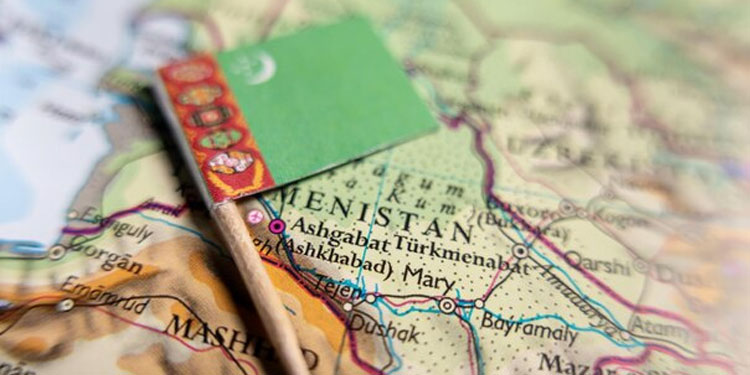
Turkmenistan has reportedly taken a decisive step by legalizing cryptocurrency, a move that has drawn global attention and positioned the nation as an emerging digital innovator within Central Asia. Analysts have suggested that this policy shift could open the door to new investment opportunities, support economic diversification, and influence broader regulatory developments across the region. As many countries continue to debate how best to regulate digital assets, Turkmenistan’s proactive approach is being viewed as both bold and strategically timed.
The government has introduced a comprehensive framework designed to govern digital assets, establish operational standards, and reinforce the overall integrity of the nation’s cryptocurrency ecosystem. These rules cover exchange licensing, mining activity oversight, and legal definitions for various categories of digital assets. Officials appear intent on creating a secure and transparent environment that can attract reputable firms and foster responsible industry practices.
A Structured Framework for a Regulated Crypto Market
A core element of the new system is the licensing program for cryptocurrency exchanges. Regulators are signaling that they expect trading platforms to meet clear compliance benchmarks, a strategy aimed at boosting investor confidence and encouraging trustworthy operators to enter the market. Observers note that this could lay the foundation for a safer and more stable trading environment.
Turkmenistan has also introduced rules governing crypto mining. These measures emphasize sustainability and ethical operations, reflecting the government’s desire to ensure that resource consumption and environmental impact remain within acceptable limits. The overarching goal appears to be the creation of a balanced ecosystem where innovation can flourish without compromising regulatory standards or social responsibility.
This policy shift comes at a moment when calls for economic diversification are becoming more pronounced. Government leaders reportedly see blockchain technology as a promising catalyst for attracting foreign capital, reinforcing financial resilience, and expanding the reach of digital services. By stepping decisively into the crypto arena, Turkmenistan is positioning itself as an active participant in global digital transformation, while some neighboring countries remain entangled in lengthy regulatory debates.
Economic and Operational Implications for the Crypto Ecosystem
By providing legal clarity, Turkmenistan enhances the legitimacy of cryptocurrency operations within its borders. This framework supports several key outcomes:
Economic Diversification:
Digital assets and blockchain applications create new avenues for growth beyond the country’s traditional industries, encouraging technology-driven innovation and investment.
Higher Security Standards:
Clear regulatory requirements help establish stronger safeguards, reduce opportunities for fraud, and strengthen trust in digital transactions.
Despite these advantages, experts acknowledge that the new system presents challenges. Turkmenistan will need to develop the technical infrastructure required to support its policy ambitions and cultivate the expertise necessary to enforce the regulations effectively. Ensuring that innovation does not overshadow consumer protection will also be essential for long-term success. Public awareness campaigns, education initiatives, and transparent communication will play important roles in building trust and facilitating widespread adoption.
据路透社报道,土库曼斯坦已通过数字资产监管法案,将于 2026 年 1 月 1…
— 吴说区块链 (@wublockchain12) November 28, 2025
A Potential Model for Regional Crypto Adoption
The official rollout of the regulatory framework at the start of the new year is expected to attract close scrutiny from the global cryptocurrency community. Analysts believe that if Turkmenistan manages the implementation effectively, the country could emerge as a template for other nations in the region seeking to introduce digital-asset regulations without hindering innovation.
Legalization is expected to boost participation in the sector and deepen Turkmenistan’s role in Central Asia’s expanding blockchain landscape. With its emphasis on modernization, regulatory clarity, and economic transformation, the country is positioning itself to become a hub for finance and technology.
Ultimately, Turkmenistan’s decision reflects a broader ambition to integrate digital assets into its economic strategy. As more nations explore the potential of cryptocurrency and blockchain technologies, Turkmenistan’s experience may offer valuable insights into how emerging economies can leverage regulatory frameworks to support stability, innovation, and growth.