
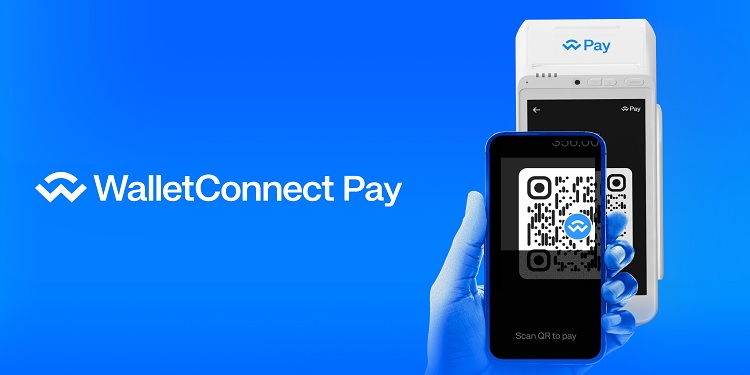
WalletConnect Pay, a payment infrastructure for cryptocurrency and stablecoin transactions, has become available to merchants in South Africa through Ezeebit, a crypto payment service provider serving African businesses. The integration enables businesses to accept digital currency payments at physical stores and online checkouts while choosing whether to receive settlements in stablecoins or traditional fiat currency.
The initial rollout covers The Capital, a hotel and apartment operator with 13 locations across South Africa, allowing guests to pay using more than 700 compatible cryptocurrency wallets and receive instant settlement in stablecoins or fiat currency.
The service supports stablecoins including USD Coin (USDC) and Tether (USDT). The launch also includes a 2% cashback program, through which eligible customers receive rewards in WCT, the WalletConnect token, based on the value of their purchases.
Ezeebit plans to expand the integration to additional businesses across Africa, extending crypto payment acceptance beyond the initial hospitality deployment.
Sub-Saharan Africa Records Strong Onchain Growth
The launch comes as cryptocurrency activity expands across Sub-Saharan Africa. According to data from Chainalysis cited by WalletConnect, the region received more than $205 billion in onchain value between July 2024 and June 2025, marking a 52% increase from the previous year.
The growth placed Sub-Saharan Africa among the world’s three fastest-growing regions for onchain activity, behind Asia-Pacific and Latin America.
WalletConnect sees the Ezeebit partnership as a foundation for expanding digital currency payments across regional markets. However, broader adoption depends on making cryptocurrency transactions practical for everyday purchases, particularly in retail, hospitality, and e-commerce.
WalletConnect Pay Addresses Checkout Challenges
Traditional cryptocurrency payments can create operational problems for merchants and customers. Payment amounts may need to be entered manually, increasing the risk of incorrect transfers and requiring businesses to reconcile underpayments or overpayments.
WalletConnect Pay integrates the exact purchase amount into the transaction process, allowing customers to confirm the correct figure before authorizing payment. The approach is intended to reduce errors and simplify checkout.
Network fees have also limited cryptocurrency payments at the point of sale. Unpredictable blockchain gas costs can confuse customers and complicate transactions. WalletConnect Pay is designed to remove gas fees from the customer’s payment experience, making the process more comparable to conventional card payments.
Through a single integration with Ezeebit, merchants can accept payments from multiple WalletConnect-compatible wallets, including Trust Wallet, MetaMask, Binance, and Fireblocks, without building separate connections for each provider.
According to WalletConnect, its compatible wallet network reaches more than 900 million users and processed over $400 billion in transaction volume during the preceding year. The protocol also standardizes checkout procedures across supported wallets, giving customers a consistent payment experience regardless of their chosen provider.
Fiat Settlement Offers Merchants Greater Flexibility
An important feature of the integration is the option for businesses to accept stablecoin payments while receiving settlements in fiat currency. This allows merchants to accommodate customers who prefer digital assets without necessarily retaining cryptocurrency on their balance sheets.
Customers can select their preferred supported stablecoin, while businesses can choose a settlement method that fits their financial and operational requirements. The arrangement could help reduce some of the complexity associated with directly managing digital assets.
WalletConnect Chief Executive Officer Jess Houlgrave said South Africa had developed a dynamic digital payments ecosystem and that the integration would provide infrastructure for bringing cryptocurrency into everyday commerce.
Ezeebit Chief Executive Officer Daniel Katz said African businesses increasingly needed payment options that reflected changing customer preferences, including the use of cryptocurrency. He indicated that the partnership would give merchants access to a large digital asset user base without adding significant operational complexity.
Expansion Could Strengthen Crypto’s Role in Commerce
The partnership reflects a broader effort to connect cryptocurrency wallets with established merchant payment systems. Rather than requiring businesses to develop their own blockchain payment infrastructure, the integration provides a route to accept digital currencies through an existing provider.
The planned expansion beyond The Capital will test whether the model can gain traction across additional industries and African markets. Its longer-term prospects will depend on merchant adoption, customer demand, settlement reliability, and the regulatory requirements governing cryptocurrency payments in individual countries.