
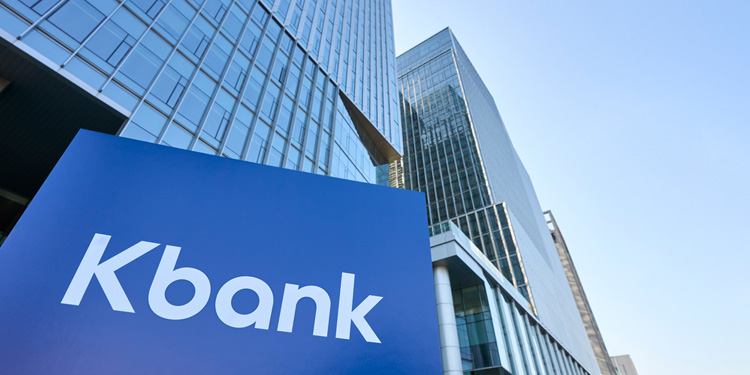
South Korea’s leading digital-only bank, K Bank, announced a major partnership with Thailand’s largest financial institution, Kasikornbank, aimed at transforming cross-border payments between the two countries. The collaboration centers on the use of blockchain technology to improve the speed, cost efficiency, and reliability of overseas money transfers. The initiative represents a significant development for remittances and retail payments linking South Korea and Thailand, two economies with growing trade and labor connections.
The partnership was formalized through a memorandum of understanding signed late last year. Under this agreement, both banks committed to jointly developing blockchain-based systems designed specifically for international remittances and payment services. As South Korea’s first internet-only bank, K Bank is expected to take the lead role in designing and operating the cross-border platform.
Roles of Key Technology Partners
Kasikornbank plans to contribute its proprietary blockchain capabilities through its subsidiary, Orbix Technology, which is responsible for building and managing the bank’s blockchain infrastructure. From the South Korean side, blockchain firm BPMG has joined the initiative, bringing experience in applying distributed ledger technology across financial services and digital entertainment sectors. Together, these technology partners form the backbone of the project, supporting both technical development and system integration.
The collaboration is primarily designed to address practical financial needs. One of the main objectives is to make it easier for Thai workers living in South Korea to send money back home efficiently. In addition, the system is expected to support Korean tourists by enabling smoother payments in Thailand without excessive fees or currency conversion complications. Businesses engaged in bilateral trade are also expected to benefit from more stable and predictable settlement processes.
Why Blockchain Is Central to the Strategy
Traditional international money transfers typically rely on legacy networks that can take several days to process transactions and often involve high service fees. Blockchain-based systems operate on shared digital ledgers, allowing transactions to be recorded and verified in near real time. This approach significantly reduces processing time, lowers costs, enhances security, and improves transparency across payment flows.
For Thai nationals working in South Korea, the implications are substantial. With more than 200,000 Thai citizens living and working in the country, remittance volumes amount to billions of dollars annually. High transfer fees can erode a meaningful portion of their earnings. By streamlining the process, the new system aims to reduce these costs and deliver more value directly to recipients.
User and Business Benefits
For individual users, the partnership is expected to deliver faster and more affordable remittance services for Thai workers, while offering Korean travelers a convenient way to pay for goods and services in Thailand without friction from exchange rate volatility. For businesses, the platform could enable more reliable settlements for cross-border trade, reducing risks associated with delays and currency fluctuations.
The project remains subject to regulatory approval in both countries. Financial authorities in South Korea and Thailand will need to review compliance measures related to anti-money laundering controls, data protection, and transaction monitoring before a full rollout can begin.
Strategic Vision From Both Banks
K Bank’s leadership indicated that the partnership is intended to deliver measurable benefits to customers in both markets by leveraging blockchain-powered financial infrastructure. The bank views this initiative as part of a broader strategy to expand internationally while maintaining a stable digital finance ecosystem. Kasikornbank’s management also characterized the collaboration as a milestone in strengthening digital financial innovation between South Korea and Thailand, emphasizing improved service speed and deeper economic connectivity.
Broader Implications for Asian Finance
The agreement reflects a wider trend across Asia, where blockchain adoption in financial services continues to accelerate. With regional remittance volumes exceeding $100 billion annually, blockchain-based solutions have the potential to save billions in transaction costs. The K Bank and Kasikornbank partnership aligns with South Korea’s push to promote digital finance and Thailand’s ambition to position itself as a regional hub for advanced financial technology.
While regulatory and technical challenges remain, the collaboration signals growing confidence in blockchain as a practical tool for cross-border banking. If successful, it could serve as a blueprint for similar partnerships across the region, strengthening financial links and modernizing payment infrastructure throughout Asia.