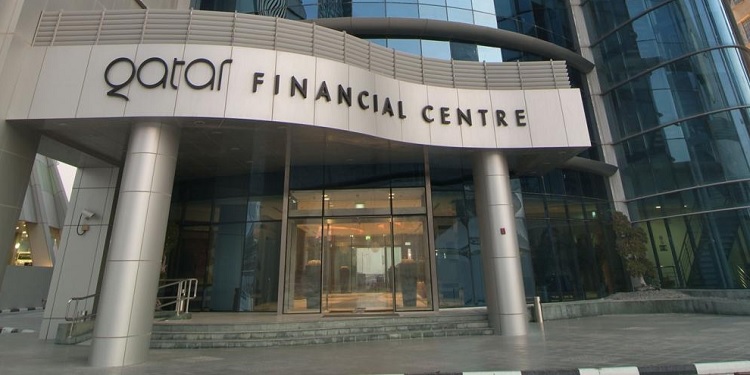
The Qatar Financial Centre (QFC) has introduced a proof of concept under its Digital Asset Lab, representing a significant advancement in applying blockchain technology to Islamic finance. The initiative seeks to enhance the efficiency, transparency, and compliance of Shariah-compliant financial products by demonstrating the use of a blockchain-based digital receipt system.
The project has been developed through a collaborative effort involving AlRayan Bank, Blade Labs, and Hashgraph, with each partner contributing distinct expertise. The proof of concept focuses on showcasing how distributed ledger technology can support asset-backed financing models in line with Islamic principles.
The system is being deployed on HashSphere, a permissioned distributed ledger network powered by Hedera technology and hosted on Google Cloud. The initiative is being presented as an example of how regulatory foresight, technical innovation, and industry-specific knowledge can converge to create new opportunities for the financial sector.
Roles of participating partners
The QFC has taken on the role of orchestrator by offering both infrastructure and guidance for the development of the use case. Hashgraph has been tasked with delivering and managing the blockchain infrastructure to ensure secure and scalable performance. Blade Labs has led the creation of the digital receipt system, including smart contracts and user interfaces tailored to Islamic finance applications.
AlRayan Bank has contributed by validating the system’s functionality, offering insights from its experience in Islamic finance, and evaluating pathways for commercial use. The project also relies on Google Cloud’s enterprise-grade infrastructure to ensure reliability and security for the deployment.
Strategic vision for Islamic finance
The QFC Authority highlighted that this pilot reflects its commitment to exploring how blockchain can drive scalability and efficiency in Shariah-compliant financial products. It was noted that the initiative aligns with the goals of Qatar’s Third Financial Sector Strategic Plan, which emphasizes innovation, tokenization, and collaborative development.
AlRayan Bank pointed out that innovation has always been central to Islamic finance and emphasized that this proof of concept demonstrates its commitment to advancing solutions that meet the evolving demands of the market. The bank further explained that its involvement ensures not only validation of the system’s design but also lays the groundwork for practical applications that can strengthen both the industry’s growth and Qatar’s role as a hub for financial innovation.
AlRayan Bank’s transformation office added that participation in this project provides an opportunity to help pave the way for scalable blockchain applications that can support long-term progress in the Islamic finance sector.
Blockchain addressing sector challenges
Blade Labs stated that the proof of concept will demonstrate how blockchain, combined with smart contracts and global identity standards, could help resolve operational challenges currently limiting the growth of Shariah-compliant asset-backed financial products. By providing a controlled environment to measure real business outcomes, institutions will be able to assess whether this technology can effectively address critical bottlenecks before committing to broader adoption.
Hashgraph also emphasized that its platform was designed to deliver the trust, performance, and regulatory confidence necessary for modern financial systems. It pointed out that with the scalability and security of Hedera’s enterprise-grade technology, the collaboration demonstrates how robust infrastructure can open up new opportunities not only within Islamic finance but also across the wider financial sector.
Laying the foundation for future adoption
The initiative represents one of the first targeted efforts to combine blockchain with Islamic finance at scale in the region. With regulatory backing, strong technical infrastructure, and financial sector validation, the project is being positioned as a stepping stone toward broader adoption of blockchain in Shariah-compliant markets. If successful, it could influence how Islamic finance institutions worldwide design and scale asset-backed products in the coming years.