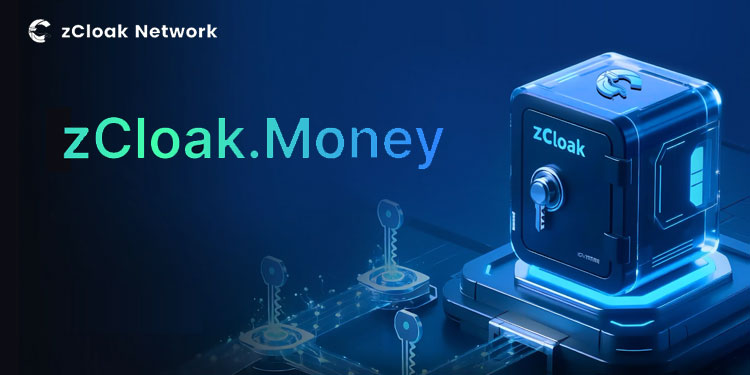
Zcloak Network, a privacy-focused computing platform, has entered into a strategic alliance with IOTA, a distributed ledger technology (DLT) network known for enabling secure machine-to-machine transactions across the Internet of Things (IoT) ecosystem. Through this collaboration, Zcloak has incorporated IOTA’s infrastructure into its institutional-grade wallet solution, zCloak.Money, to enhance security, verifiability, and efficiency in digital asset management.
The integration focuses on improving the zCloak.Money wallet—a non-custodial, on-chain, multi-signature enterprise wallet designed to support institutional clients in managing digital assets transparently and securely. The solution provides auditable processes for on-chain asset management, ensuring users maintain full control over their holdings while meeting compliance standards.
By embedding IOTA’s trust framework, Zcloak has strengthened the identity verification layer within zCloak.Money, enabling organizations to confirm their digital identities in a more secure and verifiable manner during on-chain transactions. IOTA’s cryptographic architecture, which has been recognized for ensuring the integrity and confidentiality of smart contract executions, supports this capability. The collaboration positions both companies to deliver advanced digital identity tools that can facilitate trustworthy global trade and decentralized finance operations.
Enhancing Trust Through Verifiable Digital Identities
The integration allows zCloak.Money to incorporate verifiable digital identity into every on-chain operation. Leveraging IOTA’s decentralized ledger, the system records and shares transaction data securely while maintaining transparency. This synergy enhances the platform’s ability to support real-time data validation, reduce the risk of fraudulent activities, and speed up settlement processes across blockchain ecosystems.
Through this development, institutional users can now authenticate their organizational credentials more efficiently, facilitating faster and safer cross-border transactions. The improved framework ensures that data is exchanged within interoperable ecosystems, providing an added layer of trust for businesses that rely on digital asset operations and decentralized finance platforms.
The companies believe that verifiable digital identities are becoming essential to the next phase of global digital transactions. IOTA’s DLT infrastructure, coupled with Zcloak’s privacy-preserving technologies, provides a foundation for building reliable identity systems that adhere to global compliance requirements while preserving decentralization.
🤝 Partnership Announcement: IOTA @iota × https://t.co/pJAgYFZYxp
We’re thrilled to welcome IOTA @iota to the https://t.co/pJAgYFZYxp platform — the first enterprise passkey wallet that’s 100% on-chain, architecturally secure, and built for decision makers.
As part of this… pic.twitter.com/3XwGzkPVCN
— zCloak Network (@zCloakNetwork) November 12, 2025
Paving the Way for Digitized Global Trade
The partnership reflects a shared commitment to advancing the concept of organizational identity verification, a key component in international trade regulations. Both IOTA and Zcloak see decentralized identity frameworks as critical for making cross-border commerce more inclusive, transparent, and efficient. Their joint effort is expected to accelerate the digital transformation of global trade by connecting complementary blockchain systems under an open-source model.
By integrating IOTA’s DLT capabilities, Zcloak aims to deliver organizational identity solutions directly into digital transaction workflows. This advancement simplifies compliance processes, minimizes operational friction, and opens new pathways for businesses of all scales to participate in the Web3 economy. The collaboration exemplifies how privacy-preserving technologies and decentralized infrastructure can converge to build a more secure and trusted digital financial landscape.
Through this initiative, Zcloak and IOTA not only address current challenges in identity verification and data transparency but also set a precedent for future collaborations that strengthen interoperability between blockchain networks. The move underscores their mutual vision of fostering a connected, compliant, and secure ecosystem for institutional participants in the global digital economy.