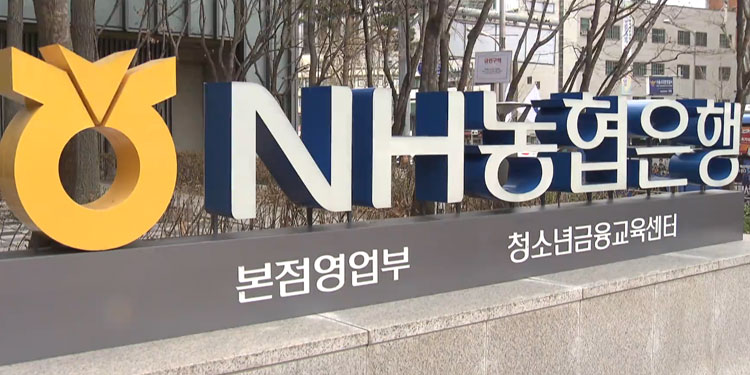
NH NongHyup Bank in South Korea has begun testing a proof of concept designed to digitize value-added tax refunds for foreign visitors by using blockchain technology and stablecoin-based settlement infrastructure. The initiative, announced on November 13, 2025, is being carried out in partnership with Avalanche, Fireblocks, Mastercard, and Worldpay. The bank indicated that the trial is intended purely to assess technical feasibility and does not involve real customer funds or personal information.
The project focuses on transforming a traditionally manual, paper-heavy refund process into a workflow powered by smart contracts and near-real-time settlement. Under the existing system, tourists must go through multiple steps, fill out forms, and wait for processing before receiving reimbursement for the 10 percent VAT imposed on eligible purchases. The pilot aims to automate these procedures by placing refund logic on Avalanche’s regulatory-oriented blockchain, enabling a digital ledger to record refund events and activate settlement instructions or stablecoin swaps. By doing so, the bank hopes to reduce the risk of lost documentation, accelerate the payout process, and improve overall accuracy.
Multi-Partner Collaboration to Reinvent Refund Workflows
The bank’s collaboration with Fireblocks, Mastercard, and Worldpay further illustrates its intent to merge regulated payment networks with decentralized-ledger tools. Fireblocks contributes custody and security infrastructure, while Mastercard and Worldpay provide payment-processing rails that can integrate with blockchain-enabled settlement. Together, the partners are examining how automated scripts and programmable digital assets could remove friction from inter-institution communication, especially in high-volume tourist transactions.
South Korea’s growing tourism sector highlights the importance of such developments. The country recorded 16.37 million inbound visitors in 2024, representing a year-over-year increase of nearly 50 percent. Given the scale of VAT refunds in popular shopping districts, airports, and duty-free outlets, a more efficient system could ease operational pressure on merchants, airport authorities, and tax agencies. NH NongHyup suggested that a digital process may offer faster service to travelers while reducing administrative burden and error rates.
Supporting Korea’s Stablecoin and Digital-Asset Policy Shift
The trial also aligns with broader national efforts to create a Korean-won-based stablecoin ecosystem and reduce reliance on dollar-denominated tokens. South Korea’s Financial Services Commission is expected to finalize guidelines for KRW-pegged stablecoins by the end of the year. The Bank of Korea has indicated that only licensed banks should be permitted to issue such instruments in order to preserve monetary policy stability and limit systemic risk.
Against this backdrop, NH NongHyup’s pilot provides regulators with a real-world testing ground for studying operational resilience, compliance requirements, and scalability. Market observers and institutional participants are monitoring not only the performance of the pilot, but also settlement behavior, liquidity patterns, interoperability functions, and regulatory fit as the bank considers expanding its system to domestic and cross-border use cases.
Potential to Lead Consumer-Facing Blockchain Adoption
Overall, the bank’s VAT refund proof of concept demonstrates a merging of traditional finance, payment infrastructure, and blockchain-driven automation. If the trial proves successful, it may influence how cross-border refunds and currency-settlement workflows are handled in the future. The initiative could also accelerate consumer-level blockchain adoption within South Korea and help position the country as an emerging leader in stablecoin-enabled financial innovation.