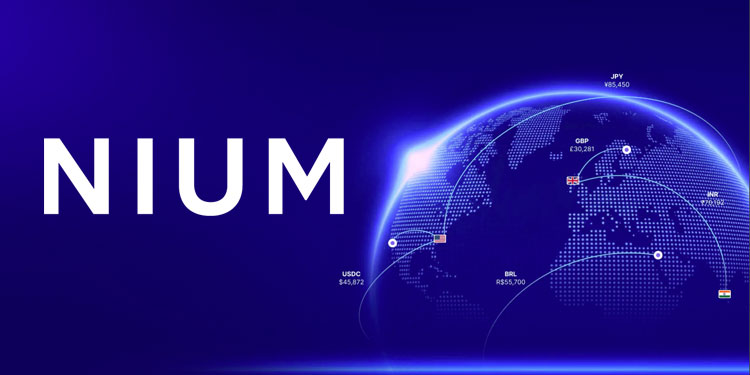
Singapore-based fintech Nium has entered a strategic partnership with Coinbase to incorporate USD Coin into its global payments infrastructure. The collaboration is expected to enhance cross-border payment capabilities across more than 190 countries, enabling businesses to transact seamlessly using stablecoins without relying on prefunded accounts.
The integration leverages Coinbase’s backend systems, which provide custody, liquidity, and digital wallet support for USDC transactions. Nium explained that this setup facilitates just-in-time settlements, meaning funds are deployed only at the moment payouts are executed. This mechanism significantly reduces the need for companies to hold idle capital across multiple jurisdictions, a longstanding inefficiency in traditional international payment systems.
Expanding Real-World Utility of Stablecoins
Nium indicated that the integration also extends to linking stablecoin balances with card programs, allowing businesses and users to utilize USDC for everyday spending. This development builds upon the company’s earlier rollout of stablecoin-funded payment cards supported by major networks such as Visa and Mastercard. These cards automatically convert stablecoin balances into fiat currency at the point of sale, ensuring global usability.
USDC, originally launched in 2018 by Circle in collaboration with Coinbase, is designed to maintain a one-to-one peg with the US dollar. The stablecoin is backed by cash reserves and short-term US Treasury instruments, ensuring price stability. As of April 21, 2026, its market capitalization has reached approximately $78.51 billion, positioning it as the second-largest stablecoin after Tether. Its credibility has been reinforced through regular audits conducted by Deloitte, which have contributed to its reputation for transparency and regulatory compliance.
Industry Momentum Behind Stablecoin Adoption
The partnership between Nium and Coinbase reflects a broader movement within the financial sector toward integrating stablecoins into mainstream payment systems. Circle has actively expanded USDC’s role in cross-border finance, forming alliances with companies such as Sasai Fintech to address high remittance costs in African markets. It has also collaborated with Thunes to enable near real-time global transfers without the need for prefunding.
Powering global #stablecoin payments and settlement.
Clients can:
✅ Send & receive stablecoins
✅ Convert to fiat for payouts
✅ Enable stablecoin-backed card spendingAll on one platform – built for banks, fintechs & enterprises ready to move faster 🌍 pic.twitter.com/Da4yxn5yzn
— Nium (@NiumGlobal) April 21, 2026
For enterprises, the transition away from prefunded models represents a major operational improvement. Traditionally, businesses have been required to maintain reserves in multiple countries to facilitate international payments, tying up significant working capital. In contrast, blockchain-based stablecoin solutions like USDC enable near-instant settlement, reducing both friction and transaction costs. This efficiency is particularly valuable for use cases such as global payroll processing, supplier payments, and remittances.
Market Trends and Strategic Implications
Recent market data suggests increasing enterprise adoption of USDC. During the first quarter of 2026, the supply of USDC expanded by $2 billion, while Tether experienced a decline of $3 billion over the same period. Analysts interpret this divergence as a potential indication of growing trust in USDC’s compliance standards and operational transparency, particularly in regulated markets.
The Nium-Coinbase integration underscores a strategic effort to bring stablecoins into the core of international payment systems. With Nium supporting transactions in over 100 currencies and holding approximately 40 regulatory licenses worldwide, the initiative demonstrates considerable scale and reach.
From a broader perspective, the development highlights the evolving role of stablecoins as a bridge between conventional financial infrastructure and blockchain-based technologies. While USDC maintains a stable valuation at one US dollar, its expanding application across industries signals that its primary value lies in utility rather than price movement.