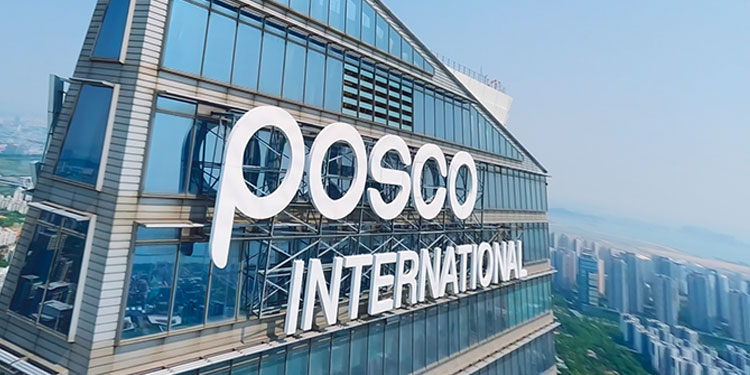
POSCO International, the trading arm of South Korea-based POSCO Holdings, has completed a pilot project to tokenize real-world trade receivables on the Avalanche blockchain, marking another step by the industrial group toward blockchain-based trade finance.
The pilot, completed on Aug. 25, involved POSCO International America, the company’s U.S. subsidiary, Intain and trade-finance platform Olea. Unlike experimental projects based solely on simulated transactions, the initiative involved actual trade receivables and real capital. Olea purchased the tokenized receivables, providing a practical test of blockchain-based financing for commercial transactions.
Olea is backed by SC Ventures, the venture investment and innovation division of Standard Chartered. Its participation added an institutional financing component to the pilot and demonstrated how tokenized trade assets could connect corporate receivables with external sources of capital.
AI Verification Combined With Blockchain Records
The process began with AI-based verification of trade documentation. Relevant records, including invoices and shipping documents, were analyzed to check whether the information was consistent and suitable for registration.
After the verification stage, the receivables were recorded on Intain’s Layer-1 network, which is built using Avalanche infrastructure. Recording the assets on the blockchain established a permanent digital record of ownership and transaction activity, potentially improving transparency between participants in the financing process.
The pilot combined AI-powered trade-document verification with blockchain-based registration of real receivables, creating a digital process designed to improve transparency and efficiency in trade-finance transactions.
The approach highlights a potential division of responsibilities between artificial intelligence and distributed ledger technology. AI can process and validate large volumes of commercial documentation, while blockchain infrastructure can provide a shared record for counterparties involved in financing.
Second Blockchain Receivables Pilot in One Month
The Avalanche initiative follows another blockchain-based receivables pilot completed by POSCO International in late July. On July 27, the company worked with LG CNS on a proof-of-concept involving the tokenization of trade receivables through the Injective blockchain.
That project also relied on real transaction information from POSCO International’s overseas subsidiaries rather than synthetic data created solely for testing. The two pilots indicate that the company is evaluating multiple blockchain infrastructures for potential applications in trade finance.
POSCO International generated about $22.2 billion in revenue and operates more than 80 branches globally. Its business activities extend across steel, energy and battery materials, giving it exposure to international supply chains where trade financing can be particularly important.
Tokenization Could Address Trade Finance Constraints
The broader trade-finance market has a significant funding shortfall. The Asian Development Bank has estimated the global trade-finance gap at around $2.5 trillion, representing transactions that may not proceed because businesses face difficulties securing suitable financing.
Read more:https://t.co/mkkqBIyfhV
— Avalanche🔺 (@avax) August 25, 2026
Tokenization could potentially help address some of these limitations by turning traditionally paper-based or fragmented financial claims into digitally recorded assets. A blockchain-based system may also make ownership and transaction histories easier for participating institutions to verify.
By using live trade receivables rather than hypothetical assets, POSCO International is testing whether tokenization can move beyond experimentation and support practical institutional trade-finance activity.
Stablecoins Could Expand Cross-Border Applications
The companies involved are also considering broader applications of the technology. Future initiatives could include the use of stablecoins for cross-border payments and the development of digital treasury-management tools.
Such applications could potentially complement tokenized receivables by creating digital mechanisms for transferring value across international markets. For companies operating extensive global supply chains, these tools could help streamline treasury operations and cross-border settlement.
The planned exploration of stablecoin payments and digital treasury tools could extend the pilot from tokenized financing into broader blockchain-based corporate financial operations.
The latest initiative therefore represents more than a standalone blockchain experiment. Together with its recent work on Injective, the Avalanche pilot suggests that POSCO International is assessing how tokenization, artificial intelligence and digital settlement technologies could be integrated into conventional corporate finance and international trade.