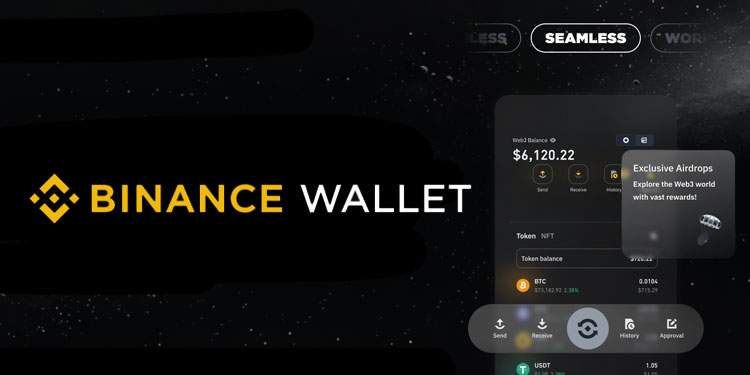
Binance Wallet has continued to enhance its Web3 Loan product suite, further expanding liquidity and functionality within its decentralized finance ecosystem. Following a recent expansion of its lending services, the platform has deepened its integration with Venus Protocol, a leading decentralized money market operating on the BNB Chain. This collaboration enables Binance to leverage improved capital efficiency by combining centralized wallet infrastructure with decentralized on-chain lending mechanisms.
The development reflects the growing presence of hybrid CeDeFi models, which merge the accessibility and convenience of major exchange wallets with the permissionless structure of decentralized lending protocols. By bridging these systems, Binance aims to provide users with a more seamless borrowing experience while maintaining exposure to decentralized financial tools.
Under the latest update, users of the Binance Web3 Wallet can now access a broader selection of crypto assets for both collateral and direct borrowing. Newly supported borrowing assets include CAKE, BTCB, U, USDE, and USD1. These additions cater to a wide range of investor profiles. For example, participants seeking stablecoin-based liquidity may gravitate toward USDE, while those holding BTCB can use their assets to unlock capital without liquidating long-term positions.
Expanded Collateral Diversity Across Chains
The platform has also significantly increased the number of assets eligible as collateral. In addition to previously supported tokens, users can now pledge assets such as SOL, XRP, XVS, and SOLVBTC. The inclusion of these tokens broadens portfolio flexibility and introduces cross-chain or wrapped representations of assets like Solana and Ripple into the BNB Chain lending environment.
This approach allows users to maintain exposure to long-term holdings while accessing liquidity, rather than selling assets outright. By integrating cross-chain assets into its lending framework, Binance is enabling greater diversification within a single ecosystem.
Venus Protocol plays a central role in powering this infrastructure. Acting as the algorithmic engine behind the lending marketplace, Venus facilitates decentralized and transparent borrowing through smart contracts. Interest rates are determined algorithmically based on supply and demand dynamics, with loans structured around collateralized debt positions. Through this integration, Binance Wallet provides users with direct access to a decentralized money market while retaining a user-friendly interface.
Advancing the Web3 Gateway Strategy
Binance’s adoption of Venus aligns with its broader Web3 Gateway strategy. The wallet interface simplifies access to decentralized protocols, allowing users to interact with lending services without navigating complex external decentralized applications. This streamlined approach is particularly appealing to retail participants who may be hesitant to engage directly with standalone smart contracts but still wish to generate yield or secure liquidity.
🌊 Venus Flux Beta is now LIVE!
The FIRST unified liquidity layer on @BNBChain
Powered by @0xfluid’s liquidity architecture, Venus Flux unlocks a new frontier for lending, borrowing, and capital efficiency.
Test it now and help shape the future of lending on BNB Chain ⬇️ pic.twitter.com/TJ4sFK1HSf
— Venus Protocol (@VenusProtocol) February 11, 2026
The expanded loan offerings provide users with greater financial flexibility and more strategic options for asset management. However, the inclusion of volatile collateral such as CAKE and SOL introduces additional risk considerations. Since liquidations are triggered when collateral values fall below required thresholds, users must closely monitor market fluctuations to avoid forced asset sales.
👀 Have You Enjoyed Borrowing with Web3 Loan Since Its Release?
Introducing Newly Supported Assets to Collateralize and Borrow via @VenusProtocol on #BinanceWallet !
💰 Start borrowing today ⬇️https://t.co/PteGxdjTo2 pic.twitter.com/XGheY8KUAS
— Binance Wallet (@BinanceWallet) February 12, 2026
Furthermore, the addition of yield-bearing or synthetic collateral assets, including SOLVBTC and USD1, introduces added layers of smart contract and peg-related risk. Industry analysts have observed that while such instruments can enhance capital efficiency, they demand a sophisticated understanding of how underlying mechanisms maintain value stability. Participants must evaluate both market volatility and protocol-level risk when utilizing these assets.
As Web3 infrastructure continues to evolve, responsibility increasingly shifts toward individual users to manage associated risks. Market observers suggest that education and due diligence are becoming as critical as access to innovative financial tools. Binance’s expanded lending capabilities underscore both the opportunities and complexities emerging within hybrid decentralized finance models.