Cyperchat, a Web3 social infrastructure platform, has entered into a strategic partnership with Anubis Chain, a Layer 1 blockchain network focused on decentralized applications and multi-chain Web3 connectivity. The collaboration is intended to expand privacy-focused Web3 services by integrating zero-knowledge proof technology into social networking and decentralized application experiences.
The partnership is designed to enhance secure and privacy-centric Web3 interactions by combining Cyperchat’s social platform with Anubis Chain’s zero-knowledge blockchain infrastructure.
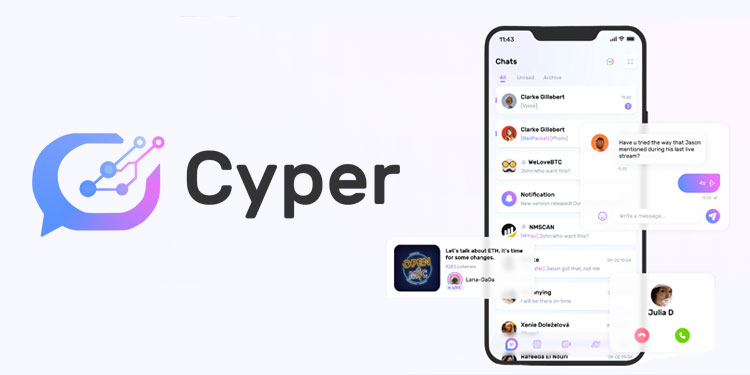
The two companies share a common objective of improving user privacy while making decentralized services more accessible. Cyperchat offers a range of Web3 features, including anonymous social networking, integrated cryptocurrency wallets, live streaming capabilities, and access to decentralized applications. Anubis Chain, meanwhile, operates as a Layer 1 blockchain that is built on the PLONK zero-knowledge proof protocol, a technology intended to improve transaction privacy without sacrificing verifiability. Cyperchat announced the collaboration through its official account on X.
Privacy and Security at the Core
The alliance reflects a broader effort to strengthen the Web3 ecosystem by addressing growing demand for secure digital interactions. The companies indicated that the integration would focus on delivering a safer environment for users through enhanced privacy protections, anonymous social engagement, and streamlined access to decentralized applications.
Cyperchat currently serves approximately 150,000 users and brings several years of operational experience to the collaboration. Its established user base and experience in Web3 social infrastructure are expected to complement Anubis Chain’s blockchain technology as both companies work to broaden the reach of privacy-focused decentralized services.
Anubis Chain‘s infrastructure incorporates selective disclosure, allowing only essential transaction and smart contract information to remain publicly verifiable while keeping sensitive user data protected. This approach seeks to balance blockchain transparency with stronger privacy safeguards, addressing one of the industry’s key challenges.
By integrating selective disclosure and zero-knowledge proof technology, the collaboration aims to provide users with greater control over sensitive information while maintaining the transparency required for blockchain verification.
Expanding the Web3 Ecosystem
The companies view the partnership as an important step in advancing next-generation Web3 infrastructure. By combining their respective technologies and communities, they expect to improve service offerings while expanding their global reach. The collaboration is also expected to help both organizations communicate more effectively with users and developers across multiple regions.
Cyper × @ANUBISCHAIN_
We are excited to announce a strategic partnership with @ANUBISCHAIN_ .
Anubis is an innovative Layer 1 blockchain powered by the PLONK zero-knowledge proof protocol. Through its core mechanism of selective disclosure, Anubis achieves an organic balance… pic.twitter.com/lpiZyugqJ3
— Cyper Chat (@web3_cyperchat) July 14, 2026
Cyperchat contributes more than four years of experience in developing Web3 services, which may support the integration of advanced blockchain capabilities into its existing platform. The companies believe that combining their expertise will strengthen the overall user experience while encouraging wider adoption of privacy-focused decentralized technologies.
In addition to technical development, both organizations emphasized the importance of user awareness regarding privacy practices. They indicated that educating users about privacy policies would help reduce confusion and lower the risk of scams within the decentralized ecosystem. The companies also noted that they would continue monitoring security standards and transparency measures as they refine their services.
The companies also plan to strengthen user education on privacy practices and continue enhancing security and transparency to reduce risks while supporting broader Web3 adoption.