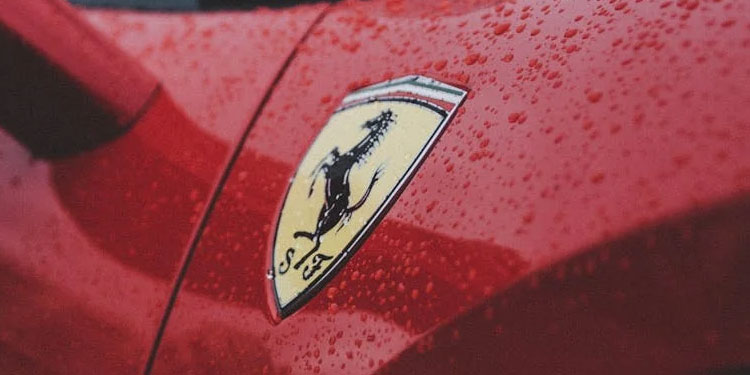
Ferrari has entered the digital asset arena with the introduction of a blockchain-based token tailored specifically for members of its elite Hyperclub program. The initiative was announced as a strategic extension of the Italian marque’s engagement model for its most loyal clientele, with the company positioning the token as both a symbol of exclusivity and a conduit for premium benefits.
The brand, long associated with luxury engineering and racing heritage, is now aligning with the broader industry shift toward Web3 adoption. Observers said Ferrari appeared to be blending its legacy of performance and craftsmanship with emerging digital formats to remain relevant to younger, blockchain-literate consumers while deepening loyalty among established patrons.
Token as Experiential Gateway, Not a Mere Collectible
Ferrari presented the Token Ferrari 499P as an access credential within the Hyperclub ecosystem, not a standalone digital collectible. Holders are expected to receive privileged entry to high-profile brand events, closed-door auctions, and curated merchandise drops that remain inaccessible to the public. In effect, the token functions as a gated credential that extends offline prestige into the digital domain.
Commentators described this move as consistent with Ferrari’s history of prioritizing scarcity and elite positioning. Translating that mythology to blockchain, the company appears to be reinforcing exclusivity while gaining the technical benefits of verifiable ownership and programmable access rights.
Web3 Adoption Creeps Into Luxury Manufacturing
The decision follows a rising pattern of luxury and automotive brands experimenting with blockchain-driven engagement. Industry peers such as Lamborghini and Porsche have already deployed tokenized assets to test fan engagement, authentication and loyalty applications. Analysts noted that luxury manufacturers, accustomed to narrative-driven scarcity and collector culture, are structurally well suited to token-based ecosystems.
The blockchain industry more broadly has been expanding across finance, logistics and creative sectors, with analysts projecting the global market to exceed tens of billions of dollars within the next few years. Within this momentum, luxury groups have started leveraging decentralized rails to authenticate goods, deliver post-sale experiences, and build programmable loyalty systems.
Strategic Upside With Structural Risk
Industry experts suggested that Ferrari’s token strategy may strengthen brand control and open new monetization surfaces, while also positioning the company as an early-stage mover in automotive Web3. However, they cautioned that the digital asset sector carries inherent volatility, and that regulatory frameworks remain unsettled across jurisdictions. Ferrari would need to monitor evolving compliance norms to sustain reputational integrity and mitigate legal exposure.
Despite these frictions, analysts viewed the transition as directionally aligned with shifting consumer behavior. As high-net-worth communities increasingly interact through digital channels, brands are under pressure to create immersive layers that match the expectations of collectors accustomed to hybrid on-chain/off-chain experiences.
Tradition Meets Programmable Prestige
Ferrari’s entry into tokenization has been interpreted as another chapter in the brand’s innovation narrative. For decades, the company has portrayed itself as a leader in engineering and competitive performance; extending that identity to blockchain enables Ferrari to retain its cultural positioning while adapting to a digital economic structure. The token, therefore, is not merely a speculative experiment but a symbolic bridge between legacy and next-generation engagement.
By encoding exclusivity inside a decentralized framework, Ferrari is signaling that the locus of brand loyalty and access is shifting toward programmable, verifiable, on-chain credentials. If successful, the model could influence how other luxury automakers operationalize loyalty, scarcity and post-purchase relationship design in the coming decade.