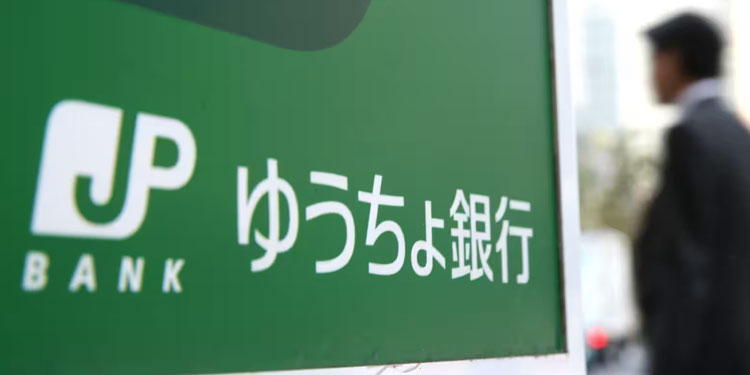
Japan Post Bank, ranked as the fourth-largest bank in the country and known for its extensive reach across nearly the entire population of 124 million, is preparing to introduce tokenized deposits within the next two years. The initiative is being developed in partnership with DeCurret DCP and centers on DCJPY, a blockchain-based digital yen designed to enable instant settlement in transactions involving security tokens and non-fungible tokens (NFTs). Industry analysts noted that this move is part of Japan’s broader trajectory toward financial innovation, particularly in blockchain-driven payment systems and asset settlement.
The adoption of DCJPY has been positioned as a way to embed distributed ledger technology into conventional banking activities. By moving deposits onto blockchain infrastructure, Japan Post Bank is aiming to speed up both domestic and cross-border transactions while offering greater transparency. Given the institution’s vast customer base, the bank holds a strong potential to scale such blockchain-enabled payment frameworks, which could reshape how individuals and businesses interact with digital money in the Japanese market.
Stablecoin landscape shaping momentum
The project is unfolding alongside Japan’s national efforts to embrace stablecoins. The Financial Services Agency has been advancing regulatory approval for the country’s first yen-pegged stablecoin, while fintech firm JPYC is preparing to register as a licensed money transfer entity. JPYC has outlined plans to issue a digital token pegged one-to-one with the yen, designed to support payments and transfers in a compliant framework.
Other financial groups have also begun exploring opportunities in this area. Monex Group has indicated its interest in launching its own stablecoin, with applications in international remittances and corporate settlements. This trend demonstrates how established players are recognizing the role of yen-backed digital assets in addressing evolving demands for efficiency and interoperability in financial markets.
Market conditions support digital yen adoption
Observers have pointed out that the timing of Japan Post Bank’s move is favorable given expectations that the Bank of Japan may raise interest rates in the near term. Market forecasts suggest that a potential 25 basis point hike, possibly during the BOJ’s October meeting, could heighten interest in yen-linked digital assets. The reasoning draws from earlier patterns, such as the United States’ 2022 interest rate hikes that coincided with rising adoption of dollar-pegged stablecoins.
The enthusiasm for tokenized deposits also reflects Japan’s strong cultural and economic affinity for digital innovation. Unlike in some other markets where NFT enthusiasm has waned, Japan continues to demonstrate consistent engagement with NFTs, especially in relation to anime and digital art. This cultural backdrop is expected to support greater public acceptance of digital finance tools such as DCJPY.
Toward a digital-first financial ecosystem
Although the complete framework and detailed rollout timeline of the tokenized deposit initiative are still in development, the project marks a pivotal adjustment in how Japan’s banking sector is responding to digital transformation. Industry experts believe the initiative could enhance payment efficiency, broaden financial inclusion, and expand opportunities within digital asset markets.
By working on blockchain-enabled deposits and aligning with nationwide efforts to foster stablecoin adoption, Japan Post Bank is signaling its intention to remain at the forefront of financial technology. With its reach, resources, and regulatory environment converging, the institution’s upcoming launch of tokenized deposits underscores Japan’s broader ambition to secure a leading role in the global shift toward digital finance.