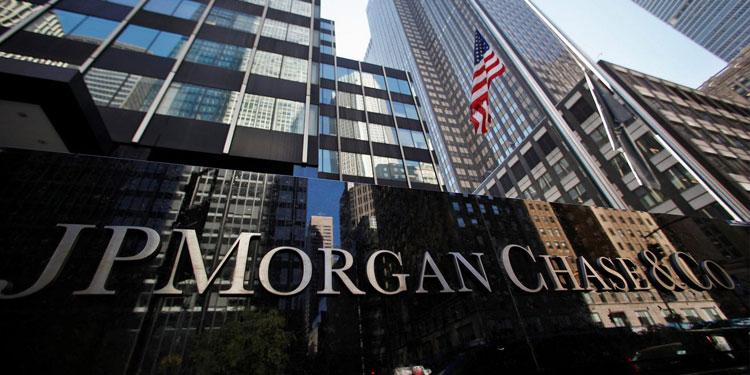
JPMorgan Chase, the American financial services giant, is preparing to strengthen its involvement in blockchain and cryptocurrency by developing plans to introduce crypto trading services. The initiative marks another step in the bank’s gradual embrace of digital asset technologies after years of cautious observation.
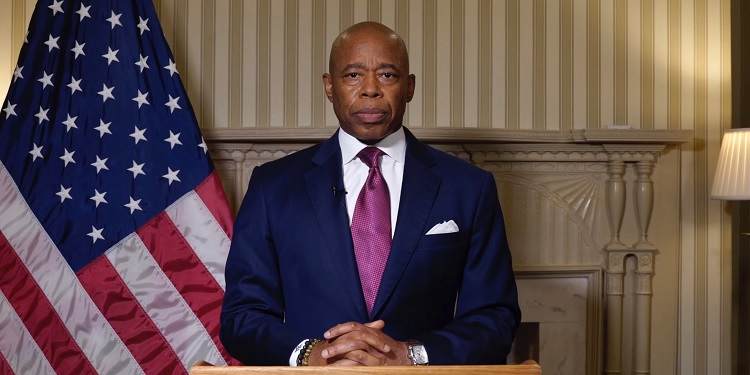
Scott Lucas, the bank’s Global Head of Markets and Digital Assets, indicated during a CNBC interview that while the institution is actively exploring the crypto trading segment, it does not plan to provide direct custody for digital assets at this stage. He clarified that the bank’s current strategy stops short of managing crypto custody, as internal assessments on risk appetite and operational boundaries are still ongoing. Lucas explained that the organization’s focus is to understand the extent to which it wants to engage in crypto-related activities, noting that trading may come before any decision on custody solutions.
Lucas further stated that JPMorgan is evaluating potential models for third-party custodians capable of handling digital assets safely. The company’s approach, according to him, is based on diversification—pursuing multiple opportunities within the blockchain ecosystem instead of concentrating on a single direction. He pointed out that JPMorgan’s interest spans both traditional markets and emerging blockchain-based innovations, emphasizing that opportunities in the space are not mutually exclusive.
Deposit Token Pilot and Institutional Focus
Lucas also discussed the bank’s pilot program involving its deposit token, known as JPMD, which was launched on Base in June 2025. The initiative, still in its early testing phase, is designed to cater to institutional clients seeking blockchain-based cash management solutions. He suggested that the deposit token could help the bank explore new ways to serve client demands related to stablecoins and blockchain payments. The pilot reflects JPMorgan’s attempt to integrate digital assets into its broader financial infrastructure while maintaining compliance and security standards expected by institutional investors.
Multi-chain Future and Broader Blockchain Outlook
On the topic of blockchain networks, Lucas remarked that JPMorgan does not foresee any single platform, such as Ethereum, becoming dominant in the long term. Instead, he anticipated a fragmented yet dynamic market where multiple blockchains coexist and compete. This outlook aligns with JPMorgan’s strategy of maintaining interoperability and flexibility in its blockchain ventures.
The evolving stance represents a significant shift for a bank that had previously maintained a cautious distance from cryptocurrencies. Over recent years, JPMorgan has entered partnerships with industry leaders such as Coinbase, signaling an increased willingness to participate in the growing digital asset ecosystem.
From Skepticism to Strategic Engagement
Historically, JPMorgan’s attitude toward cryptocurrencies has fluctuated. In late 2023, the bank cautioned investors that the crypto market was overheated due to excessive optimism around spot Bitcoin ETFs, forecasting a potential correction. By mid-2024, it maintained a reserved outlook, citing limited retail engagement and broader macroeconomic uncertainties. In July 2025, the bank revised its stablecoin growth projections downward to $500 billion by 2028, noting a lack of widespread adoption and minimal usage in payment transactions.
Currently, JPMorgan’s crypto-related services remain focused on blockchain infrastructure and ETF offerings, covering Bitcoin and select Ether-based products. The firm has no immediate plans to introduce broader crypto custody or spot trading desks.
This strategic evolution reflects a gradual softening of tone from CEO Jamie Dimon, who has long been known for his skepticism toward cryptocurrencies. Once dismissive of Bitcoin’s value, Dimon has recently acknowledged the promise of blockchain and expressed growing confidence in the utility of stablecoins. His revised perspective appears to be shaping the company’s direction, with JPMorgan now positioning itself as a cautious but active participant in the global digital asset transformation.