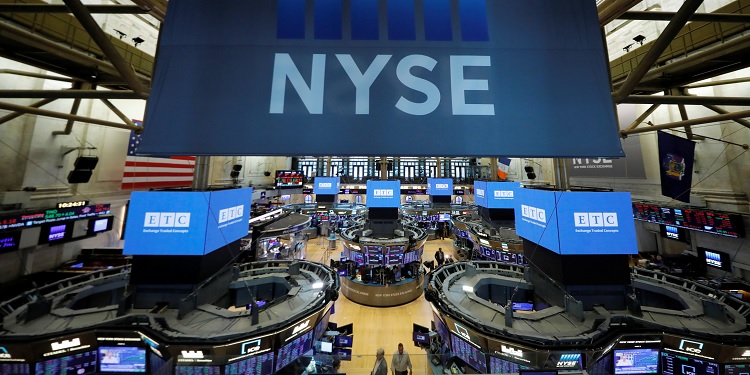
The New York Stock Exchange is developing a blockchain-based trading platform designed to support tokenized stocks and exchange-traded funds with continuous, around-the-clock access and near-instant settlement. The initiative represents a significant step in the modernization of U.S. market infrastructure and reflects growing demand from global investors for more flexible access to American equities.
The project is part of a broader digital strategy led by the NYSE and its parent company, Intercontinental Exchange, to adapt traditional capital markets to emerging technologies. According to details disclosed by the exchange, the new platform is expected to combine ICE’s established Pillar trading engine with blockchain-enabled post-trade systems. This architecture is intended to streamline settlement processes while maintaining the reliability and scale associated with existing market infrastructure.
Moving Beyond Traditional Settlement Cycles
One of the core objectives of the platform is to move away from the current one-day settlement cycle used in U.S. equity markets. By leveraging blockchain technology, the system is designed to enable real-time funding and settlement using stablecoins. This approach would allow trades to be completed almost instantly, reducing counterparty risk and improving capital efficiency for market participants.
The platform is also expected to support multiple blockchains for custody and settlement, providing flexibility in how tokenized assets are managed. Regulatory approval will be required before launch, and the exchange is preparing to support a new NYSE trading venue specifically tailored for tokenized securities.
Understanding Tokenized Stocks and ETFs
Tokenized stocks represent digital versions of traditional company shares issued and managed on a blockchain. While they mirror the price movements of underlying equities, they introduce features that are difficult to achieve in conventional markets. These include continuous trading availability, faster settlement times, and the ability to own fractional portions of shares.
Such characteristics are viewed as particularly appealing to international investors who face time zone constraints when accessing U.S. markets. By enabling 24/7 trading, tokenized securities could broaden participation and make American equities more accessible to a global audience.
Aligning With Industry-Wide Shifts
The NYSE initiative aligns with a wider industry trend toward extended and continuous trading hours. In late 2024, the exchange announced plans to seek regulatory approval to expand weekday trading to nearly the entire day. Other major exchanges have outlined similar ambitions, signaling a competitive push toward always-on markets.
ICE has positioned the tokenized securities platform as a central component of its long-term digital vision. This strategy includes building on-chain clearing infrastructure, enabling continuous trading, and potentially integrating tokenized collateral into market operations. ICE has also been collaborating with large financial institutions, including BNY and Citibank, to support tokenized deposits. These efforts are aimed at helping market participants manage liquidity outside standard banking hours.
Today, NYSE is proud to announce the development of a platform for trading and on-chain settlement of tokenized securities.
NYSE’s new digital platform will enable tokenized trading experiences, including 24/7 operations, instant settlement, orders sized in dollar amounts, and…
— NYSE 🏛 (@NYSE) January 19, 2026
Regulatory Focus and Market Integrity
Exchange leadership has emphasized that innovation will be pursued alongside strict regulatory standards. The NYSE has indicated its intention to lead the transition toward on-chain solutions while preserving the safeguards that underpin investor confidence and market stability. The exchange views blockchain technology not as a replacement for regulation, but as an infrastructure upgrade that can enhance transparency and efficiency.
ICE executives have described the initiative as a foundational step toward building comprehensive on-chain systems that encompass trading, settlement, custody, and capital formation. In their view, such infrastructure could define the next phase of global financial markets.
Implications for Global Finance
If approved and implemented, the platform could mark a turning point in how traditional securities are traded and settled. By combining established exchange technology with blockchain-based processes, the NYSE aims to bridge conventional finance and digital assets. The result could be a market structure that operates continuously, settles instantly, and supports a broader range of participants.
While the initiative remains subject to regulatory review and technical development, it underscores how leading financial institutions are preparing for a future in which tokenization and on-chain infrastructure play a central role. As global demand for flexible and efficient access to capital markets grows, the NYSE’s blockchain initiative highlights the accelerating convergence of traditional finance and decentralized technologies.