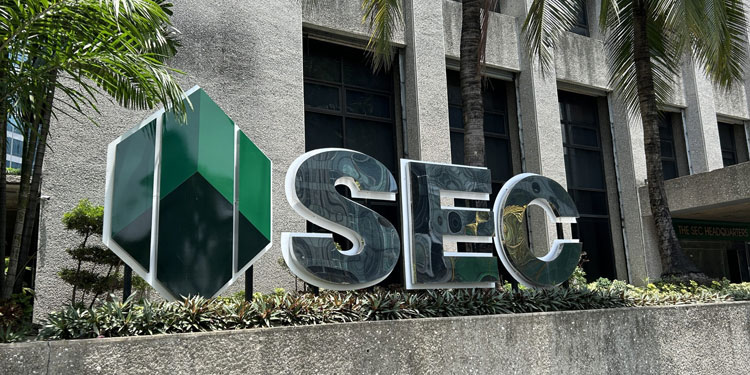
The Securities and Exchange Commission (SEC) of the Philippines has outlined plans to introduce blockchain technology into its document processing systems, aiming to strengthen transparency and safeguard the authenticity of corporate submissions in the country.
On October 22, the Commission released a draft memorandum circular inviting public feedback on a new digital signing and authentication framework known as the Verification of Electronic Records and Information Trust and Authentication System, or VERITAS. The proposal marks one of the most notable steps taken by the regulator toward integrating distributed ledger technology into official workflows.
VERITAS has been designed as a blockchain-powered platform that will enable corporations and stakeholders to sign and validate documents using public-key cryptography. Every signing action will be recorded on a decentralized ledger, creating permanent, time-stamped entries that cannot be altered and can be independently verified through cryptographic methods.
Strengthening Filing Security and Trust
The SEC chairperson stated that the regulator intends to reinforce the credibility of documents submitted to the agency by adopting digital signing technologies that ensure permanence and resistance to tampering. The shift is expected to reduce opportunities for document manipulation and improve trust in official records.
As part of the rollout, the blockchain-based system is planned to be integrated into two existing SEC platforms: the Electronic SEC Universal Registration Environment (eSECURE) and the Electronic Submission Authentication Portal (eSAP). The transition will replace traditional one-time passwords with multi-factor authentication and cryptographic signatures to increase security standards.
Controlled Access and Legal Recognition
Access to VERITAS will be limited to users who complete a full credentialing procedure through eSECURE, which includes identity verification and liveness checks to confirm that an applicant is a real and active individual. The platform is also expected to be made available through the SEC Check mobile application, expanding accessibility for corporate filers on the go.
Once implemented, the system will be open to incorporators, company officers, authorized representatives, directors, and other registered filers across all types of entities under SEC jurisdiction. Documents authenticated through the blockchain-based platform will be treated as legally valid under the provisions of the Electronic Commerce Act of 2000, equating them with traditionally notarized paper filings.
Phased Adoption Strategy
The SEC plans to roll out VERITAS in stages. The initial phase will make usage optional, giving companies time to adapt before any mandatory requirements take effect in later stages. This approach is intended to ease the transition while encouraging early adoption among technologically prepared firms.
The initiative reflects a broader government push toward digital transformation and aims to position the Philippines among the jurisdictions adopting blockchain for regulatory compliance, record integrity, and trust-based digital governance.