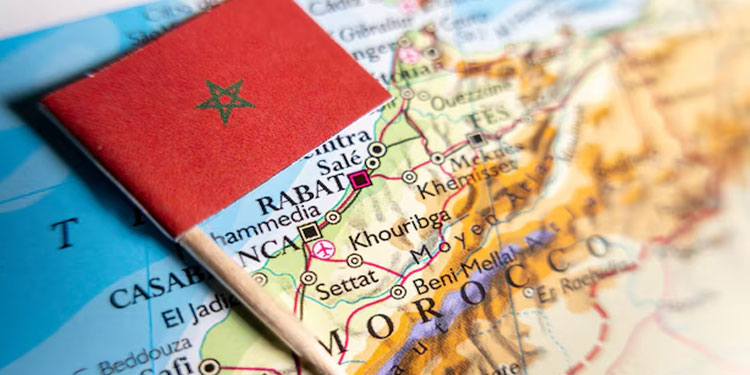
The United Nations Development Program (UNDP), in partnership with artificial intelligence firm FLock.io, has launched the second phase of its “SDG Blockchain Accelerator.” The initiative is designed to nurture seven global projects leveraging blockchain, decentralized artificial intelligence, and federated learning to address development challenges in emerging economies. One of the selected initiatives under this round is based in Morocco, focusing on integrating AI and Web3 technologies to empower local artisans and enhance their participation in digital marketplaces.
Empowering artisans through blockchain and AI
The Morocco-based project, titled Cultural Heritage & Market Access (Morocco), is centered on developing a blockchain-powered platform that blends AI and Web3 functionalities. The initiative aims to help Moroccan artisans access global markets through NFT authentication of their crafts and AI-driven content creation tools that can improve visibility and earnings. By combining these technologies, the project seeks to create new economic opportunities for artisans while preserving Morocco’s rich cultural heritage.
The initiative aligns closely with the United Nations’ Sustainable Development Goals (SDGs), specifically SDG 1 (No Poverty), SDG 8 (Decent Work & Economic Growth), and SDG 9 (Industry, Innovation & Infrastructure). The project is expected to serve as a model for how emerging technologies can contribute to sustainable economic development and digital inclusion.
Navigating Morocco’s evolving digital asset regulations
The Moroccan regulatory landscape for digital assets remains in a transitional phase. The Ministry of Economy and Finance has introduced a draft legislation—Bill 42.25—to create a legal foundation for the classification and governance of digital assets. The proposed law defines digital assets as electronic representations of value or rights that can be transferred through blockchain or distributed ledger technologies.
Under the draft, regulators intend to differentiate between utility tokens and asset-referenced tokens, also known as stablecoins. However, the bill specifically excludes non-fungible tokens (NFTs), cryptocurrency mining, and central bank digital currencies from its scope. The legislation focuses primarily on investor protection, market integrity, anti-money laundering (AML) measures, and the promotion of financial innovation. Oversight responsibilities are expected to be shared among Moroccan financial regulators such as the Moroccan Capital Market Authority (AMMC) and Bank Al-Maghrib (BAM).
As the bill is still in the draft stage, there is currently no clear regulatory framework governing NFTs or Web3-based business models. This creates a degree of uncertainty for projects like the UNDP-backed artisan marketplace, which operates within the emerging segment of blockchain-enabled commerce.
4/ The spotlight was on the annual BGAwards on the final day, the biggest global gathering for blockchain projects driving real-world impact.
We had a full day at the expo, showcasing initiatives from the SDG Blockchain Accelerator Hackathon Cohort 2, which we’ve co-led with… pic.twitter.com/nEcL5Ed3xY
— FLock.io (@flock_io) November 6, 2025
Innovation amid regulatory uncertainty
The Moroccan initiative is being developed in an environment where digital innovation is advancing faster than formal regulation. Since NFTs are excluded from Bill 42.25, the application of blockchain for authenticating artisan crafts and managing NFT-based transactions exists outside the proposed legal definitions. This means the platform’s blockchain functionalities, although aligned with Morocco’s e-commerce ecosystem, may face evolving compliance requirements as regulations mature.
While the AI-driven aspects of the marketplace—such as digital marketing and consumer engagement—fit within the country’s existing digital commerce laws, the blockchain component introduces a gray area under current legislation. As Moroccan authorities continue refining the legal framework, projects involving NFTs and decentralized technologies are expected to operate under provisional interpretations of the law.
Fusing technology with sustainable development
Through its collaboration with FLock.io, the UNDP aims to demonstrate how blockchain and AI can advance sustainable development objectives, particularly in creative and cultural industries. The partnership represents an effort to merge technological innovation with local economic empowerment, enabling artisans to reach global audiences through transparent, verifiable, and decentralized systems.
The Morocco project reflects a broader trend in international development, where global organizations are increasingly experimenting with decentralized solutions to address structural economic challenges. As regulatory structures evolve, initiatives like the SDG Blockchain Accelerator are anticipated to play a pivotal role in shaping policy discussions and defining best practices for blockchain adoption in developing markets.