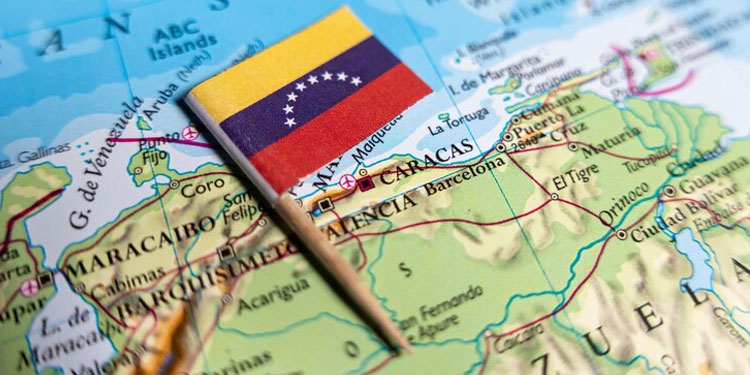
As Venezuela continues to face prolonged economic instability and persistent volatility, citizens are increasingly seeking alternatives to traditional financial systems. In an environment marked by hyperinflation and unclear regulatory structures, many Venezuelans have turned to blockchain-based solutions as a practical response to financial uncertainty. This transition toward cryptocurrencies, particularly stablecoins such as USDT, reflects a fundamental shift in how financial transactions are carried out under extreme economic pressure rather than a short-lived experiment with emerging technology.
Recent adoption metrics highlight the scale of this transformation. Venezuela ranks 18th globally in overall cryptocurrency adoption, but when adjusted for population size, the country rises to ninth place worldwide. This surge underscores how digital assets have become deeply embedded in everyday financial activity. As conventional banking services struggle to function reliably, peer-to-peer cryptocurrency transactions have emerged as essential tools for exchanging value and converting funds, allowing communities to operate despite the collapse of institutional financial systems.
Stablecoins Become Central to Daily Transactions
Venezuela’s severe economic downturn has driven widespread reliance on stablecoins, with USDT standing out as a dominant choice. As the national currency continues to depreciate rapidly, stablecoins are increasingly used for routine financial needs. Venezuelans are relying on USDT to receive remittances from abroad, pay local merchants, and even distribute wages. Data from blockchain analytics firms indicate that a significant share of high-value traffic on major cryptocurrency platforms originates from Venezuela, illustrating how deeply digital currencies are woven into the country’s economic activity.
This trend suggests that crypto-to-fiat exchanges are becoming normalized, forming an informal but functional financial ecosystem. Through these channels, individuals are able to preserve purchasing power and maintain access to global markets, even as domestic financial infrastructure deteriorates. For many households, digital assets now serve as a bridge between survival and financial participation.
From Speculation to Financial Necessity
For everyday users in Venezuela, stablecoins have evolved from speculative investments into indispensable financial instruments. In the absence of reliable banking services, these assets allow individuals to transact freely without depending on institutions constrained by capital controls or operational failures. As international sanctions and domestic financial breakdowns continue to exert pressure, the use of digital currencies has shifted from an optional alternative to a practical necessity.
Stablecoins offer a degree of economic continuity by providing a relatively stable medium of exchange in a hyperinflationary environment. Despite ongoing compliance concerns and regulatory ambiguity, these digital assets have become integrated into routine commerce. From small businesses to individual consumers, stablecoins enable a semblance of normal financial activity in otherwise disruptive conditions.
Lessons for Other Economies Under Stress
Venezuela’s experience may offer valuable insights for other nations facing economic distress. The organic adoption of decentralized finance tools demonstrates how blockchain technology can help build resilient financial systems outside the constraints of traditional banking. This adaptability highlights the potential for digital assets to support economic activity where conventional institutions fall short.
However, the path forward remains complex. The absence of a clear and consistent regulatory framework has fueled grassroots crypto adoption, but it has also introduced uncertainty. Oversight from national regulatory bodies continues to raise questions about the long-term sustainability of the ecosystem. Without meaningful improvements in macroeconomic stability or clearer regulatory guidance, reliance on digital assets is expected to intensify.
Opportunities and Challenges Ahead
In this evolving financial landscape, innovative firms are increasingly exploring peer-to-peer USDT-based models that operate independently of traditional banking rails. These approaches offer opportunities to strengthen financial access while navigating unpredictable economic conditions. If executed carefully, such strategies could help reinforce financial resilience and support compliance efforts in fragile economies.
As Venezuela’s situation continues to unfold, blockchain technology and stablecoins are likely to remain central to how citizens manage value, transact, and adapt to ongoing uncertainty.