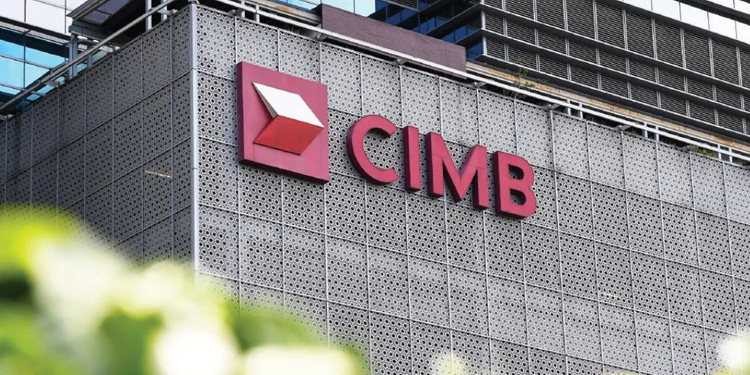
CIMB Group Holdings Berhad and Ant International have formalized a memorandum of understanding to jointly explore innovation in cross-border payments and enterprise treasury and liquidity management for businesses operating in Malaysia. The collaboration is positioned as a step toward modernizing institutional financial operations through distributed ledger technology, with an emphasis on efficiency, transparency, and scalability.
The initiative aligns with CIMB’s Forward30 strategy, which prioritizes accelerating institutional adoption of distributed ledger technology across the ASEAN treasury ecosystem. By partnering with Ant International, CIMB aims to extend digital capabilities for corporate clients while contributing to broader regional progress in blockchain-enabled financial infrastructure.
Scope Across Ant’s Financial Platforms
The partnership is structured to span several of Ant International’s core business units, including Alipay+, Antom, and Bettr Treasury. Through these platforms, the collaboration is expected to address a wide range of corporate financial needs, such as cash management, treasury and markets solutions, credit and financing facilities, capital markets activities, and sustainability-focused initiatives.
Executives involved have indicated that the breadth of coverage is intended to create a cohesive digital framework for enterprises that manage multi-currency operations and complex liquidity requirements. By integrating these services, the partners aim to reduce operational friction and enhance visibility across treasury functions.
Blockchain-Based Framework Using Whale
A central component of the collaboration involves the joint development of a digital treasury framework built on Ant International’s next-generation blockchain-based treasury management solution known as Whale. The platform operates as a multi-bank network that enables tokenized deposit-based fund movements. In this model, underlying deposits remain with participating banks while tokenized representations move across permissioned blockchains.
This structure is designed to maintain the safety and regulatory familiarity of traditional bank deposits while introducing the speed and programmability of blockchain-based settlement. Ant International has identified global banking partners such as DBS, HSBC, and Standard Chartered as participants in the Whale network. During 2024, more than one-third of Ant’s global transactions were reportedly processed on-chain through this platform, with transaction volumes approaching one trillion US dollars.
Supporting Malaysia’s Digital Asset Momentum
The timing of the MOU coincides with increasing momentum in Malaysia’s digital asset and distributed ledger landscape. National initiatives have been encouraging experimentation with stablecoins and tokenized deposits, particularly for wholesale payment use cases. These efforts are being coordinated through programs such as the Digital Assets Innovation Hub led by Bank Negara Malaysia, which has onboarded multiple projects involving tokenized settlement mechanisms, including initiatives linked to CIMB.
By collaborating with Ant International, CIMB is positioned to contribute practical use cases that align with regulatory objectives while advancing enterprise adoption of blockchain-based treasury tools. Observers note that this approach supports Malaysia’s broader ambition to play a leading role in digital finance innovation within ASEAN.
Implications for ASEAN Treasury Ecosystems
The partnership reflects a broader regional shift toward modern treasury infrastructure that leverages distributed ledger technology for cross-border efficiency. As ASEAN businesses increasingly operate across multiple markets, demand is rising for solutions that can streamline liquidity management and reduce settlement risk.
Through this collaboration, CIMB and Ant International are seeking to demonstrate how blockchain-enabled treasury systems can coexist with established banking frameworks. If successful, the initiative could serve as a reference model for other financial institutions in the region, reinforcing ASEAN’s progress toward a more interconnected and digitally enabled financial ecosystem.