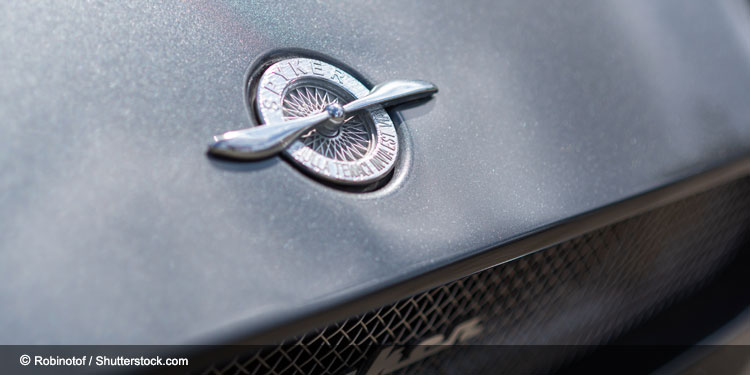
Spyker has unveiled Spyker Digital, a new technology venture created to develop digital infrastructure and ownership solutions for the premium mobility and luxury sectors. The initiative is intended to combine the Dutch luxury automotive brand’s legacy of handcrafted engineering with emerging digital technologies, including blockchain, tokenization, and decentralized ownership models.
The launch coincides with a major ownership development for the company. Volodymyr Nosov, founder and president of W Group and WhiteBIT, has acquired a significant equity stake in Spyker, becoming a co-owner of the iconic Dutch luxury automobile manufacturer. The investment strengthens the relationship between Spyker and W Group, whose business interests span fintech, blockchain services, and digital infrastructure.
Spyker Digital has been established through a partnership between Spyker and W Group to develop blockchain-powered ownership models, digital infrastructure, and tokenized ecosystems for the luxury mobility market.
The newly formed company aims to redefine how luxury brands interact with customers while modernizing ownership experiences and extending premium products into the digital economy. According to the companies, the strategy seeks to preserve Spyker’s heritage and exclusivity while introducing technologies capable of supporting digital engagement and asset management.
Spyker Digital plans to explore blockchain-based frameworks for high-value assets, enabling new forms of digital ownership and customer participation. The company is expected to focus on integrating Web3 technologies with real-world luxury products, creating digital ecosystems that complement traditional craftsmanship rather than replace it.
Strategic Vision for Digital Luxury
Nosov described his investment as both a personal commitment and a strategic business decision. He explained that he had been passionate about rare automobiles for many years and had long admired Spyker for its distinctive design philosophy and rich heritage. He indicated that becoming a co-owner reflected his confidence in the brand’s future while supporting efforts to preserve its identity as it entered a new stage of global growth and technological innovation.
He further stated that the long-term objective was to unite European engineering traditions with the digital economy by integrating luxury experiences with blockchain-based products and tokenized ecosystems. According to Nosov, the collaboration represented a convergence between conventional automotive craftsmanship and next-generation digital technologies.
The investment also aligns with W Group’s broader corporate strategy, which has increasingly expanded beyond fintech and cryptocurrency services into premium manufacturing and luxury mobility. The group has been evolving into a diversified international holding company that combines Web3 infrastructure with established industries seeking digital transformation.
Blockchain Infrastructure Supports Traditional Industries
At the center of W Group’s digital ecosystem is WhiteBIT, one of Europe’s largest cryptocurrency exchanges by user traffic. The platform serves tens of millions of users across more than 150 countries and supports a broad selection of digital assets and trading markets. The company views this technological infrastructure as a foundation for helping traditional industries adopt blockchain-based services and participate in the digital economy.
The partnership reflects W Group’s strategy of extending its blockchain and fintech capabilities into established luxury industries, creating new digital experiences while maintaining the value of physical premium assets.
Spyker executives described the partnership as a significant milestone in the company’s long-term development. Founder and Chief Executive Officer Victor Muller stated that the addition of Nosov and W Group as strategic partners would provide not only sustained investment support but also access to technologies and specialized expertise needed to shape the company’s next phase of growth.
Muller also indicated that increasing momentum surrounding the Spyker brand demonstrated continued market interest in its evolution. He noted that Spyker Digital would serve as a central component of the company’s future strategy as it pursued innovation alongside its longstanding engineering tradition.
The initiative positions Spyker among a growing number of heritage luxury brands adopting blockchain technology and digital ownership frameworks to expand customer engagement beyond physical products into programmable digital ecosystems.